
Many people start using birth control at a young age and continue to do so for many years. Individuals may stay on birth control until they decide to have a family or they feel comfortable enough that they feel they don’t need it anymore due to age, lifestyle, or a combination of other factors. Many people also start and stop taking birth control at various points in their life for one reason or another.
In addition, there are many different types of birth control out there as well as many different types of contraception. Although these are now more accessible than ever, not everyone is knowledgeable about contraceptives, their benefits, and some health risks that come with them. Before you put anything in your body, let alone for an extended period of time, you should understand it fully. Learn more about these various birth control methods in this article, there may even be a few facts that really surprise you.
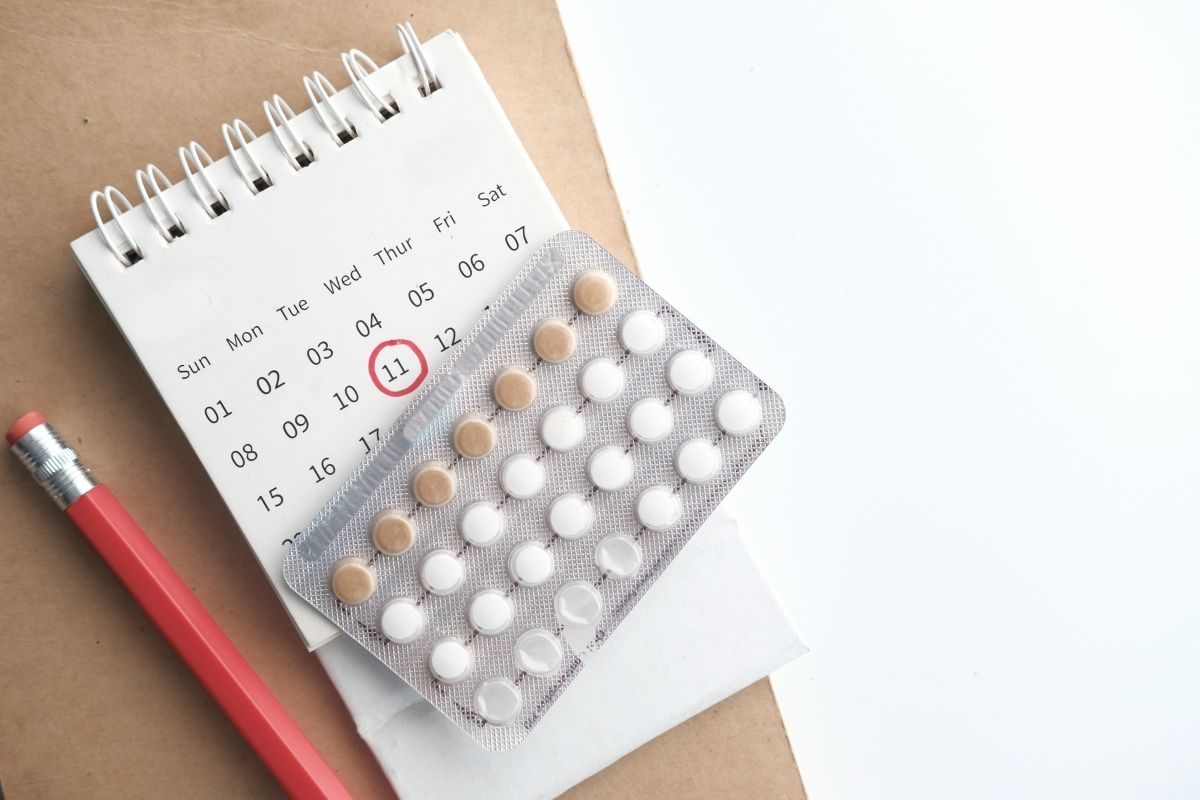
1. People of Different Ages Use Contraception
Based on a study conducted in 2019 by the World Health Organization, around 842 million out of 1.9 billion women of reproductive age (aged 15 to 49 years old) around the world are said to be using contraception.
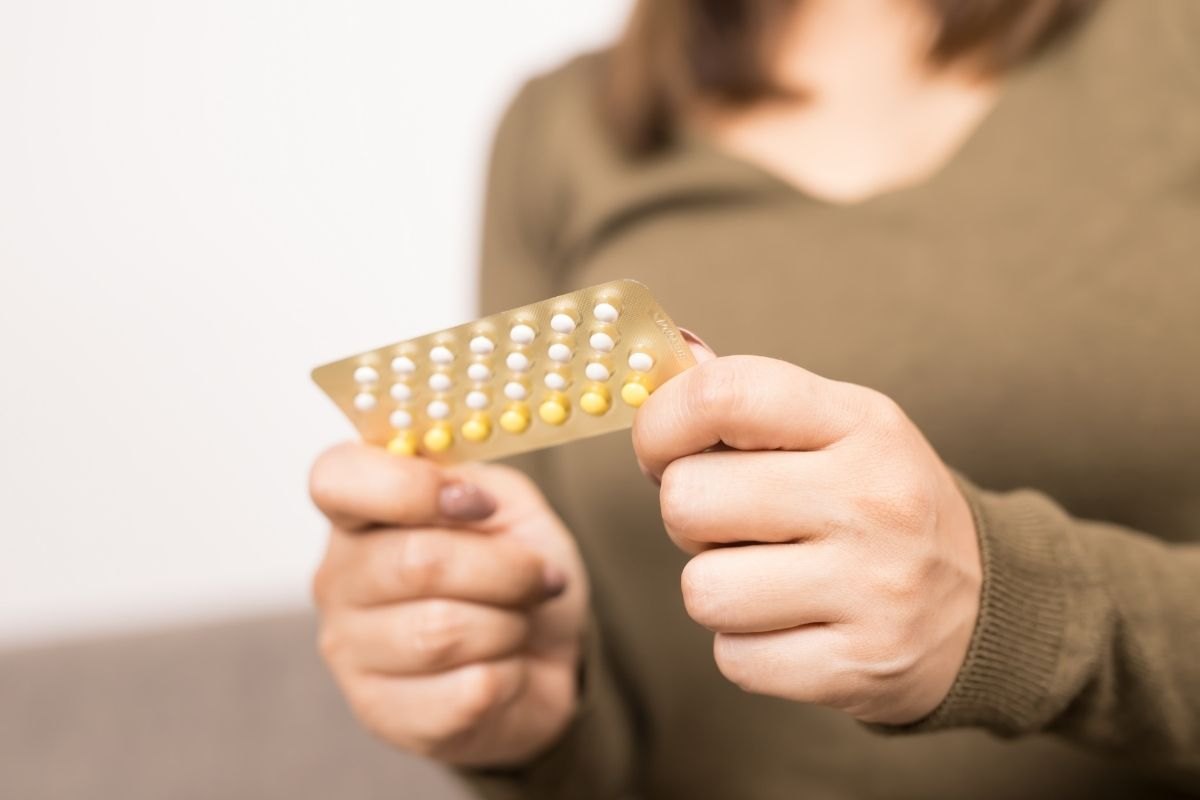
This number has drastically increased in 2020 alone. As a matter of fact, the number of women of reproductive age has already risen to 1.1 billion in 2020 from the initial 900 million in 2000. This number is slated to increase over the next few years and is even projected to grow by another 70 million by 2030.
Apart from the increase in women using contraceptives, the World Health Organization also revealed that there has been an increased preference for more modern birth control options. The number of those who opted for more modern contraception is reported to be around 851 million from the initial 663 million. The most preferred and popular choice is the pill.
2. Older Women Are More Likely to Use Contraception
Although studies find that more women are now using contraception, the use of these varies among different age groups as well. Women between the ages of 15 and 19 are found to be less likely to use contraception compared to their older counterparts.
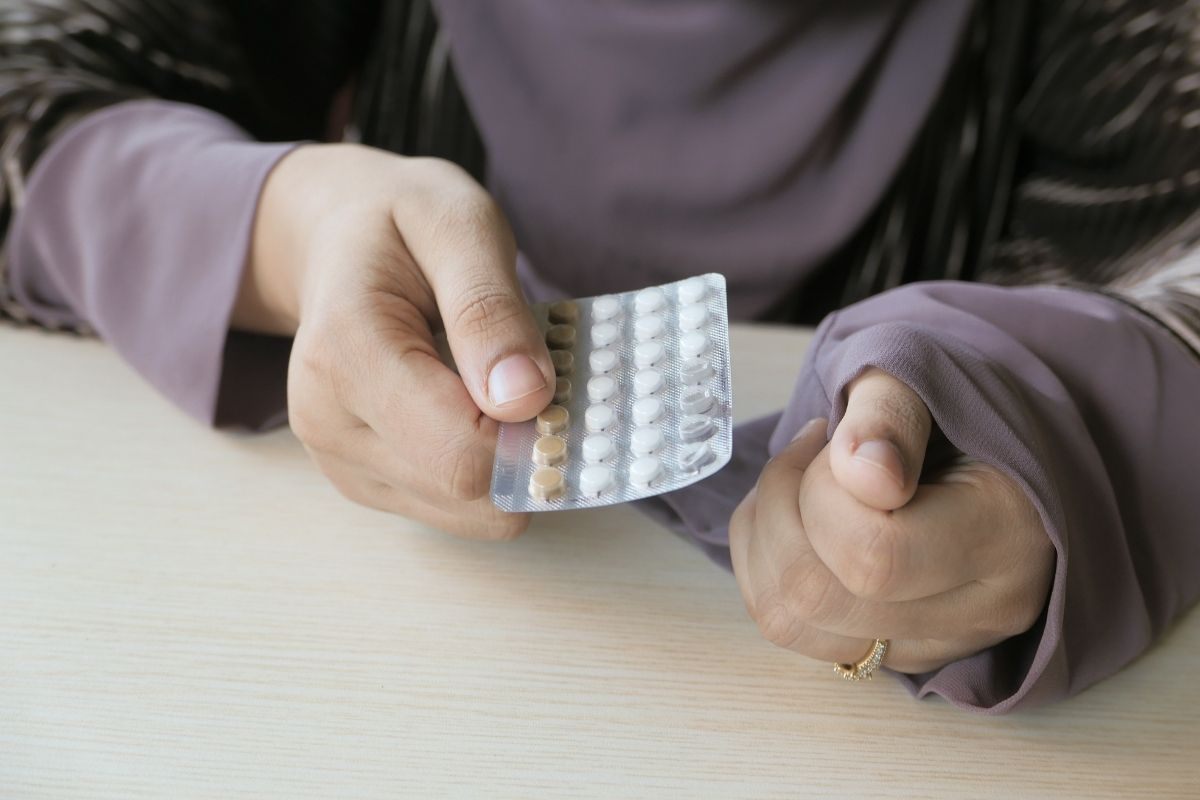
Meanwhile, approximately 62% of women aged 20 to 29 are found to be using contraception and this number goes much higher to 72% for women aged 30 to 39. Women aged 40 and older also presented a higher statistic of using birth control at almost 74%. It can be said that contraception use increases with age.
This number could go higher in an ideal world, especially as experts in the field believe that those who are younger are more likely to experience an unwanted pregnancy. A study from BMC Public Health believes that this could likely stem from younger generations having less of an interest in education programs, including those about reproductive health and birth control methods.
3. There Are Other Forms of Contraception Besides the Pill
Many people are familiar with oral contraception or the birth control pill as the most popular form of contraception around the globe. However, this could not be any more wrong. In fact, the most common contraceptive method is female sterilization, closely followed by the birth control pill.
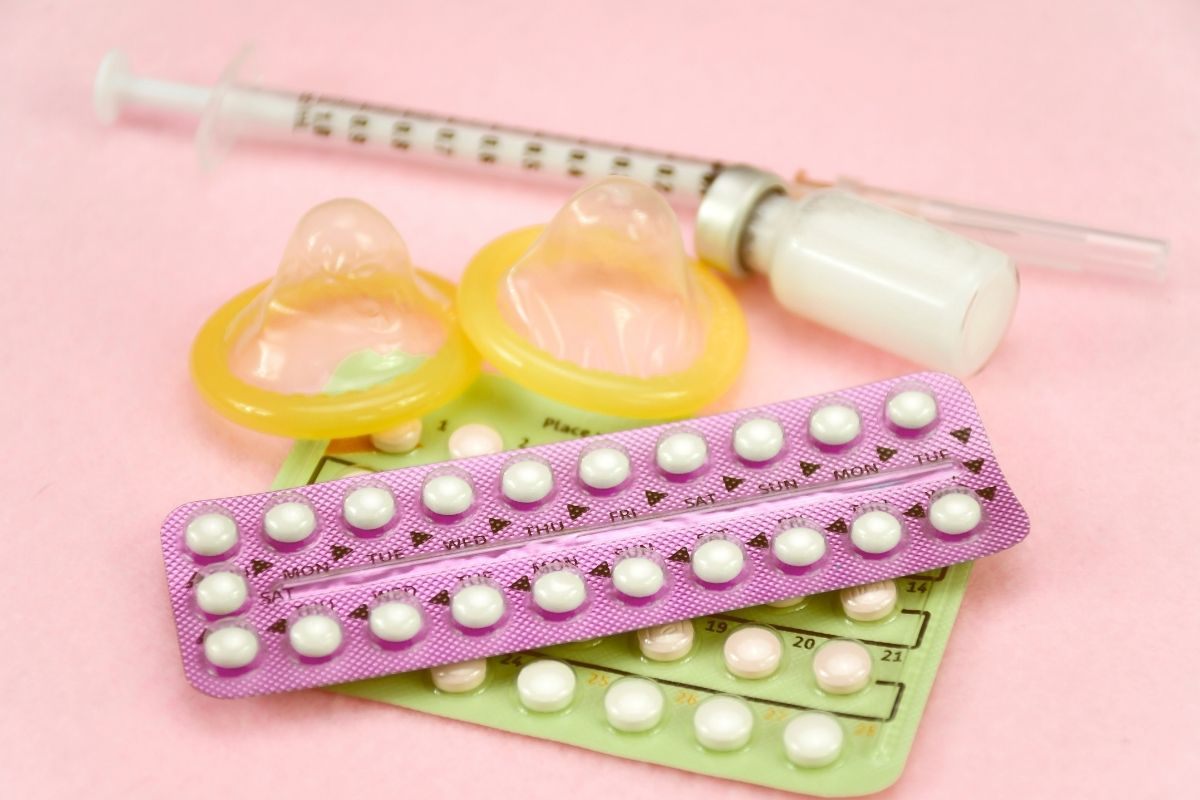
Apart from these aforementioned methods, there are also other alternatives that women can choose from. These include long-active reversible contraceptives, birth control patches, implants and IUDs, shots, and rings are also ideal for preventing pregnancy or reducing the chances of being pregnant. Women may also opt for their partner to use a condom or for them to use a female condom instead.
These types of birth control can be prescribed by your doctor or gynecologist or at your health center. Some of these contraceptives are easier to use and some of these are better than others, while there are also those that require frequent upkeep and maintenance.
4. These Birth Control Options Have Side Effects
No matter what type of birth control method you choose, chances are you’re going to encounter at least one of the side effects or the health risks that come with it. This is why talking your medical history into account is important when choosing a birth control that’s right for you.

Some of the side effects and risks that come with using contraceptives vary from one contraception method to another. For those taking oral contraception, these can exacerbate the risks of blood clots and high blood pressure due to its ingredients. It can also decrease your libido and make you prone to headaches, migraines, weight gain, and depression, to name a few.
Meanwhile, those who use IUDs may experience spotting between periods, cramping, back pain, or general discomfort when the IUD is put in, as well as having irregular periods. Although the risks of taking contraceptives are quite rare, there are still quite serious, particularly those of oral birth control pills.
5. Female Sterilization Is a Popular Choice Despite Its Permanence
Female sterilization is simply the same as getting your tubes tied. Otherwise known as tubal ligation, this particular approach entails having your fallopian tubes tied or closed to prevent your eggs from coming in contact with sperm, and by extension, from being fertilized and getting pregnant.
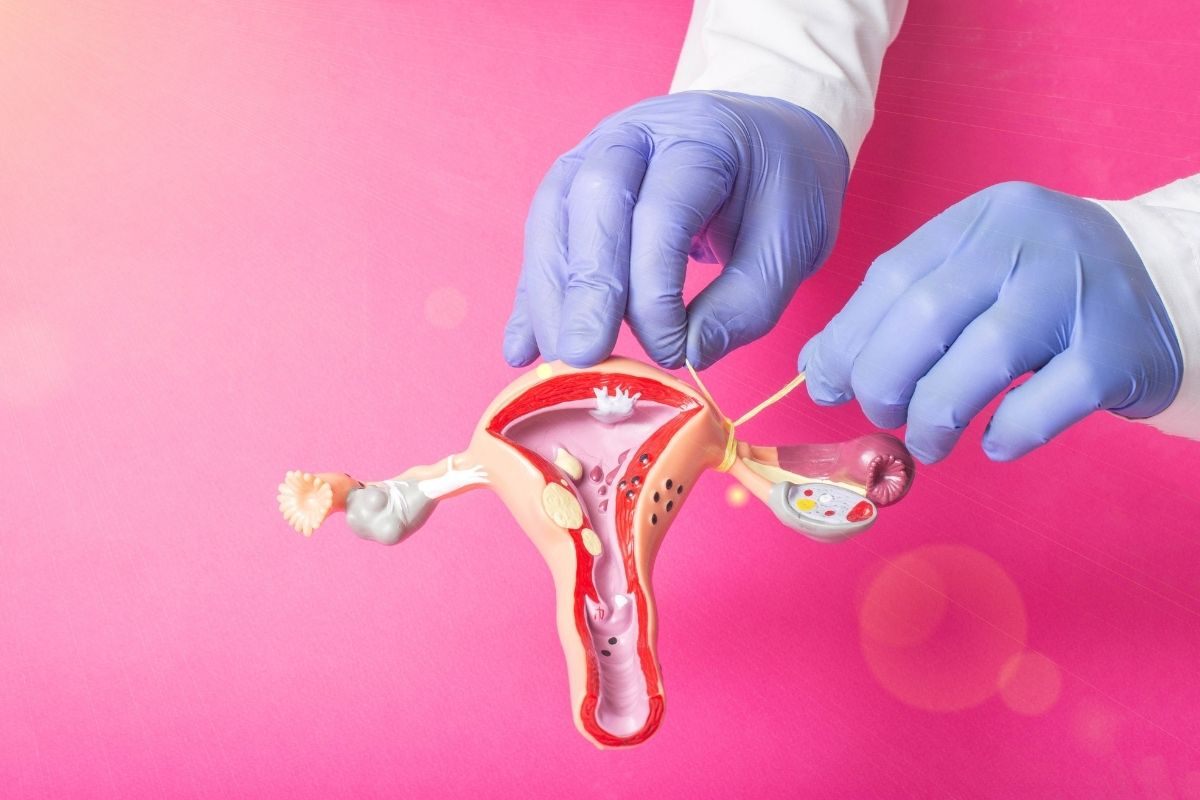
The process of getting your tubes tied can be done in a hospital or outpatient center and is effective right away. This is a minimally invasive surgery that will allow you to get back to your activities in a few days. Although female sterilization is permanent, there is still so much demand for this procedure. It is even considered the most popular method of family planning. Its permanence and effectiveness are exactly the reason why many opt for this instead.
Rather than having your IUD maintained or changed every few years, or buying prescription birth control pills every month, and the like, sterilization offers women not only convenience but also the peace of mind they need knowing they can steer clear of unplanned and unwanted pregnancies.
6. The Use of an IUD Has Drastically Increased
Long-acting forms of contraception such as IUDs have also increased in terms of use and popularity in the past few years. Unlike tubal ligation or sterilization, intrauterine devices are still reversible, although as its name implies, these are quite long-wearing. Depending on the type or brand of IUD, these can last anywhere from three to 10 years.

An IUD works by preventing the sperm from fertilizing the egg or even implanting itself in the uterus. In essence, these IUDs mainly change the way sperm cells move. These are placed in your uterus and can be taken out when needed.
Apart from its effectivity, which is instant, part of its increased appeal is that these require absolutely no maintenance, thereby being more fuss-free compared to birth control pills or even patches. These only need to be inserted by a medical professional. They can also be changed years later down the road as necessary.
7. Progestin Shots Are Viable Birth Control Options
For those who dislike having to take birth control pills or even having a long-wearing contraceptive be placed in them, one of the best ways to bridge the gap between the two is taking a progestin shot. While not as long-wearing compared to IUDs or even sterilization, these shots also offer convenience and a compromise of sorts for women.

This particular method relies on women getting a progestin hormone every three months or so through an injection in the arm or buttocks. These are given four times a year. One of the most well-known brands of this hormone is the Depo-Provera shot and it works by preventing your ovaries from releasing an egg and stopping your ovulation period.
The main advantage of getting a progestin shot is that this does not require daily uptake or maintenance. Of course, it also prevents the sperm from fertilizing the egg and even entering the fallopian tubes. It does, however, have the capacity to reduce bone density.
8. Certain Conditions or Medications Can Reduce the Effectivity of Contraception
No contraception is foolproof. While there are higher rates of effectiveness, there are some factors that can affect them. This includes taking certain medications and or having particular medical conditions. There are some antiretroviral therapies designed for HIV, as well as some anti-epileptic medications, that are found to lessen the effectiveness of birth control.
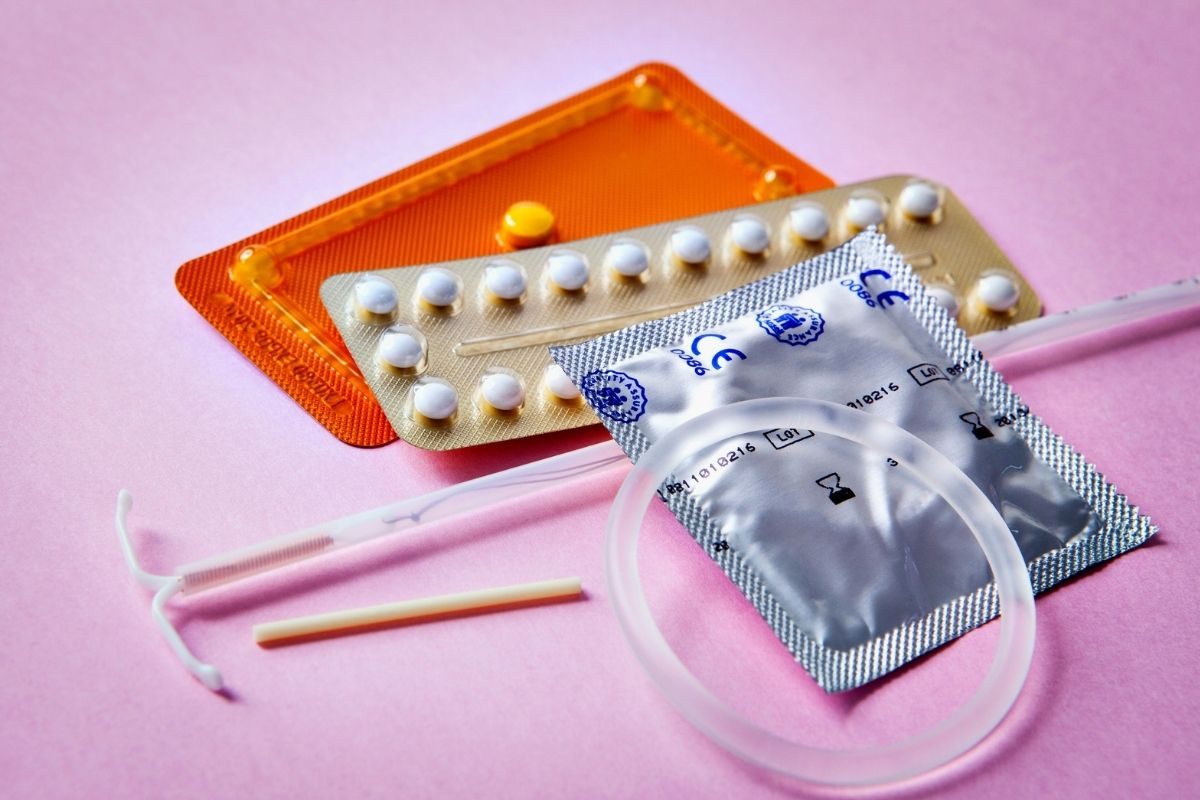
Such medications lessened the oral contraception hormone levels. Besides these, there are some antibiotics, such as rifampin, that may affect contraception. If you are taking herbal remedies, such as St. John’s wort, you may find that the efficacy of your chosen birth control method might also be challenged and become less effective. This also goes for other types of drugs or medication you might be taking.
Individuals who are obese or who are struggling with excess weight may also find that their birth control method’s effectiveness may also be reduced. To find an effective birth control method to go with certain conditions and or medications, be sure to consult your doctor or gynecologist.
9. You Still Need to Use a Condom
Using condoms is still imperative when it comes to engaging in intimate physical relations. Although contraceptives such as those aforementioned in this article are mainly successful in preventing unwanted or unplanned pregnancies, these do not necessarily prevent the transmission of sexually transmitted diseases (STDs), including HIV.
For this reason, using a condom is still the way to go. As a matter of fact, this is the only contraceptive method that is considered by the World Health Organization and other medical experts to be successful not just in preventing pregnancies, but also in the spread of sexually transmitted infections.
Condoms alone are not enough, which is why using these alongside other birth control methods should be observed. After all, these male condoms still have a failure rate of approximately 13%. To prevent condoms from malfunctioning, your male partner should ensure that they have the proper size and fit at all times.
10. You Have the Option to Choose the Best Contraceptive for You
Last but certainly not least is that there is no one size fits all type of contraception. With so many kinds of contraceptives and formulas available in the market today, it’s always best to determine what works well with your body and its needs.

Apart from taking into account your preferences, you should also consider your medical conditions and history, particularly if you already have preexisting medical conditions. You might also want to consider your age, lifestyle, overall convenience, and maintenance, as well as the cost that comes with it.
If you are planning to have children in the future, you might want to steer clear of permanent contraception methods such as sterilization. At the same time, if you don’t have the budget for it or don’t want to think of taking pills every day, then oral birth control pills may not be for you as these require a daily commitment.
Final Thoughts
Those looking for contraceptives should definitely speak with their doctor to find the right choice for them. With these facts, we hope that you have gained more insight into how the different birth control methods work and what the safest options are for you.