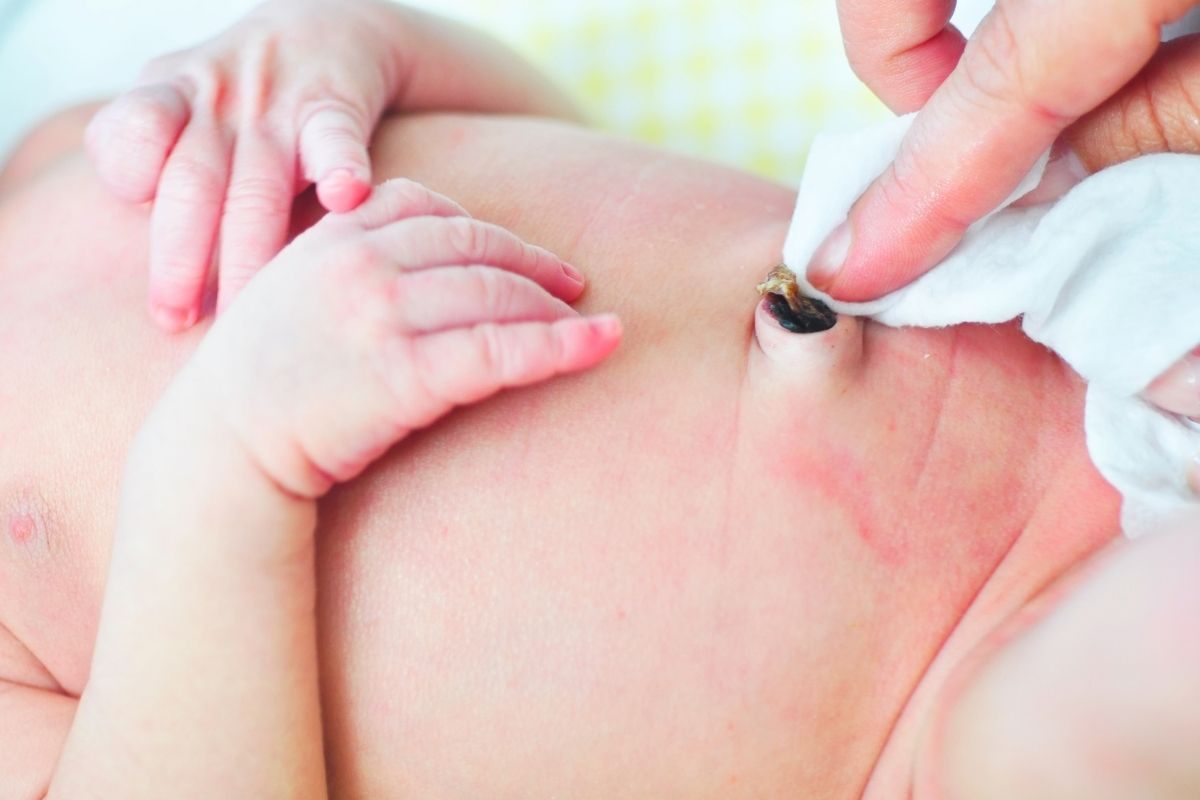
Breast milk is full of nutrients and antibodies that equip babies with everything they need. Often touted as liquid gold, breast milk provides nourishment and comfort to your newborn baby. In fact, it changes over time to meet the needs of the infant.
With the numerous benefits that breast milk has to offer, learning how to store it properly is important. This way, you can preserve the essential nutrients and properties found in breast milk and keep it suitable for consumption. We’ll guide you through the ins and outs of how to store breast milk correctly in this article.
Reasons Why You May Want to Store Breast Milk
There are various reasons why you may want to store your breast milk. For one, this is particularly handy in case you want to have some extra liquid gold on hand, especially if you’re having a tough time expressing milk or are producing more than your baby needs.
Alternatively, storing breast milk when you have too much of it at any given time can be advantageous. This way, your baby can have it whenever they’re hungry or when they need it. This can also be helpful for when you’re always on the go, preparing to go back to work, or simply going away on a trip and want to have breast milk prepared for your precious baby.
If your partner is being left behind to care for your little one, chances are they’re in good hands with your stash of milk. Storing breast milk also makes it easier and more accessible for your partner or other helping hands to get your breast milk during feedings without having to wake you up.
What to Use When Storing Breast Milk
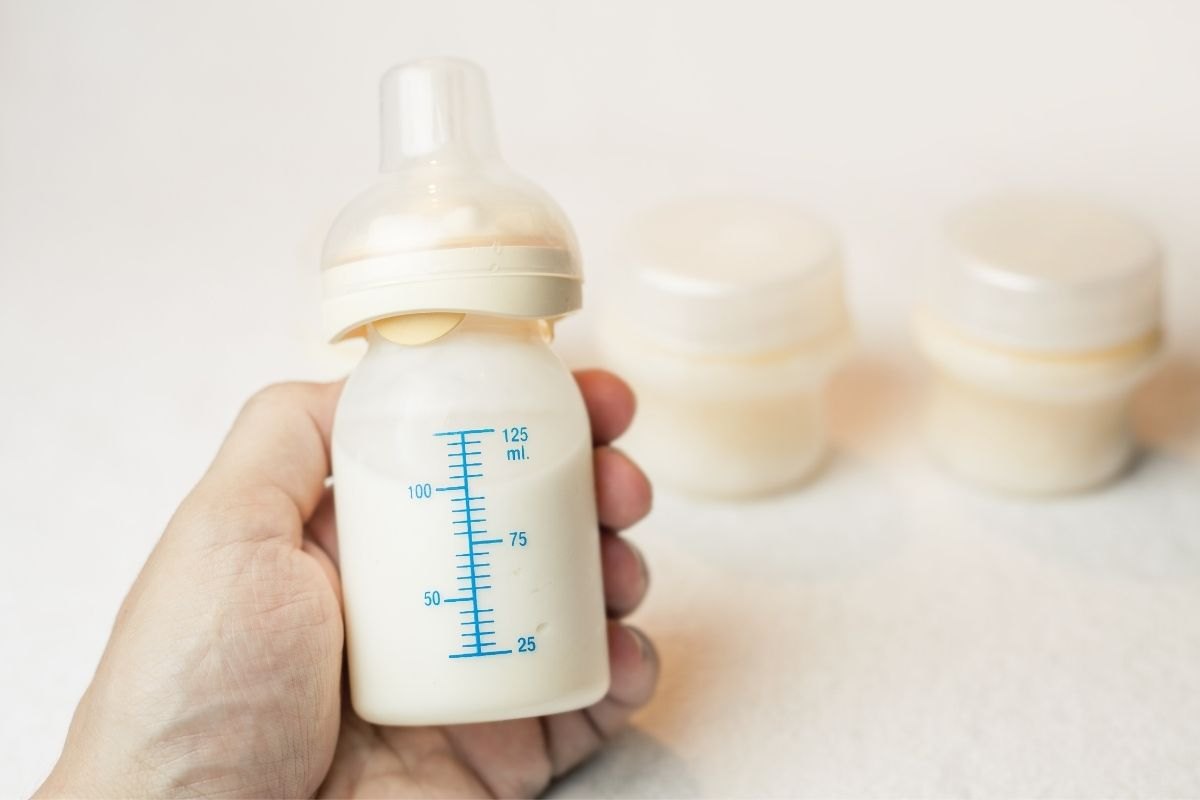
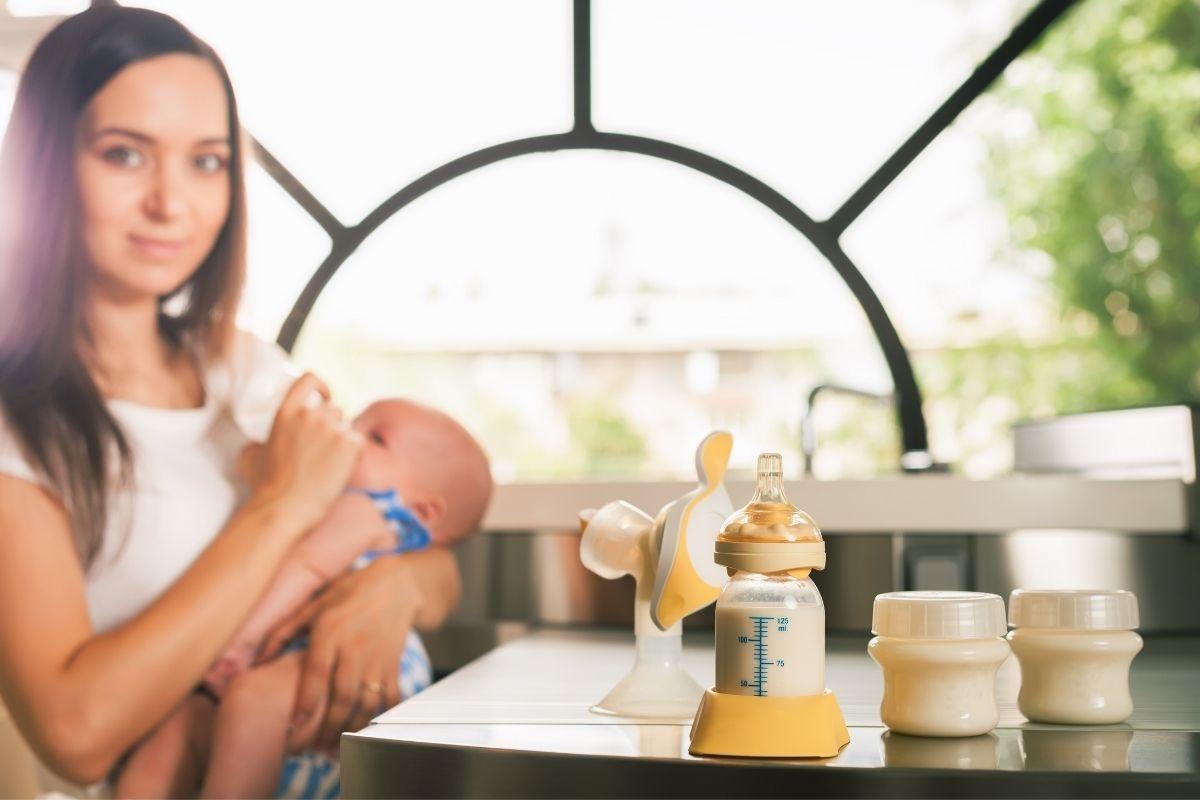
Before expressing or pumping, you should have the right tools or equipment to get started. One of the most important tools you should have on hand is the right type of storage. Milk bottles may work for storing breast milk in the fridge for a short time. However, uf storage space is a bit tight, you may want to consider using dedicated breast milk storage bags or even food-grade containers.
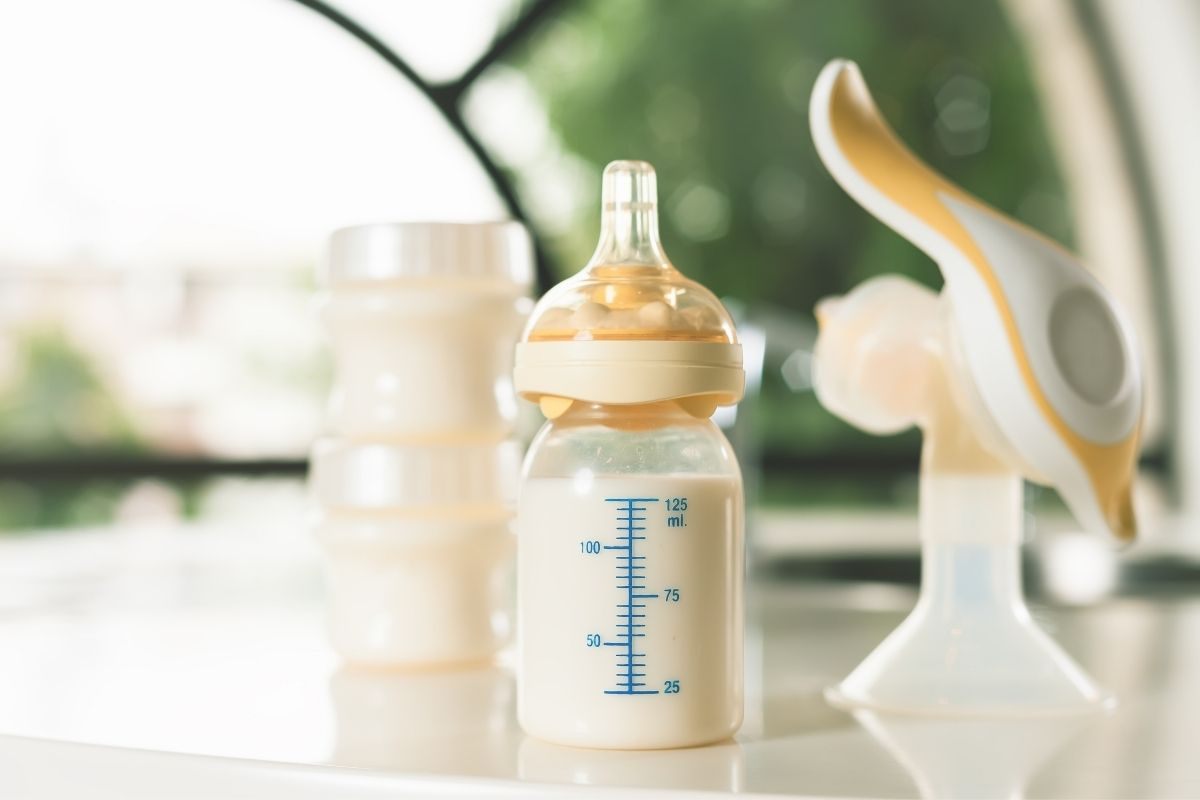
These milk storage bags and bottles are designed to help you keep your breast milk safe and sanitary, as well as fit for consumption later on. What’s more, it’s worth emphasizing that these storage options are made on the sturdier side, ensuring that your breast milk stash remains safe and accessible over time. Apart from having the capacity to be frozen, these can also be thawed without damaging the container itself.
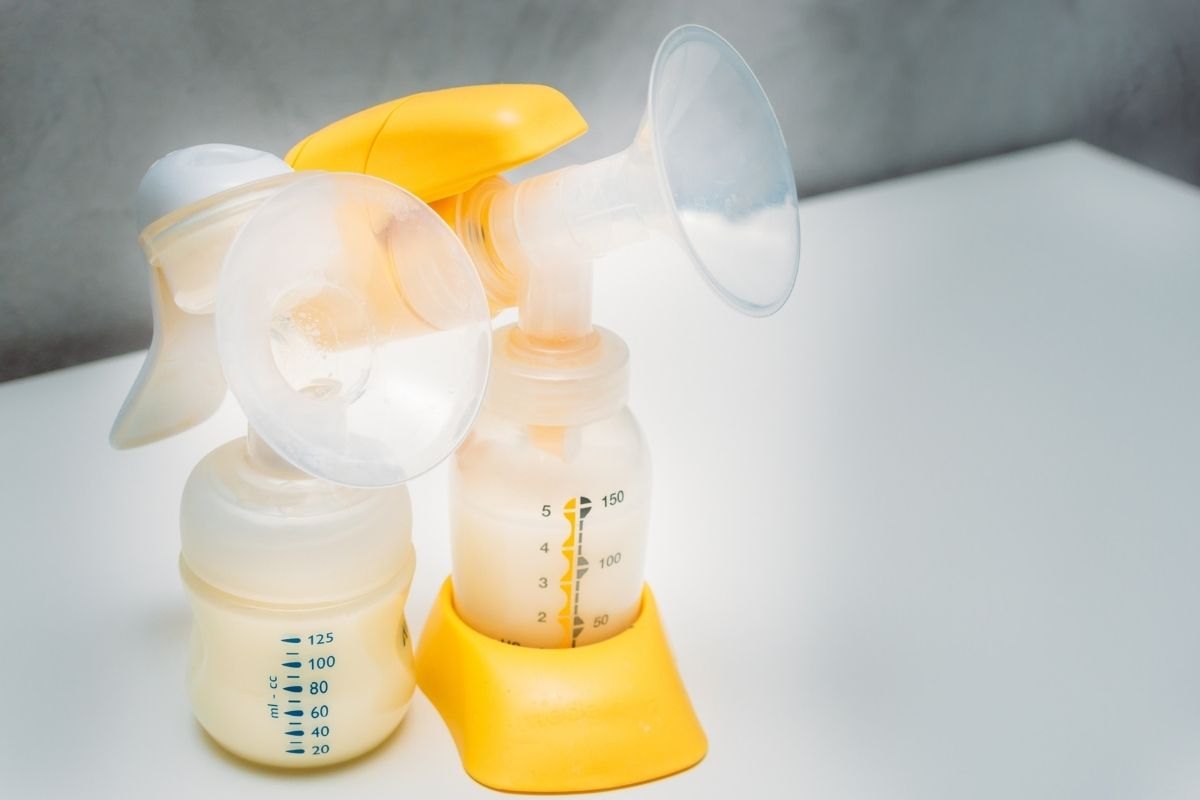
On top of having milk storage containers or bags with you, you should have your breast milk pumps with you at all times. An array of options are available on the market today ranging from manual hand pumps to electric pumps to letdown milk catchers and many others. Clean and sanitize these before and after every use.
Proper Handling of Breast Milk
Breast milk is as precious as it comes, which is why handling breast milk should also be done in a hygienic manner. Before expressing milk, you must wash your hands well with soap and water. However, if these are not available for the time, using a hand sanitizer that contains at least 60% alcohol may be enough.
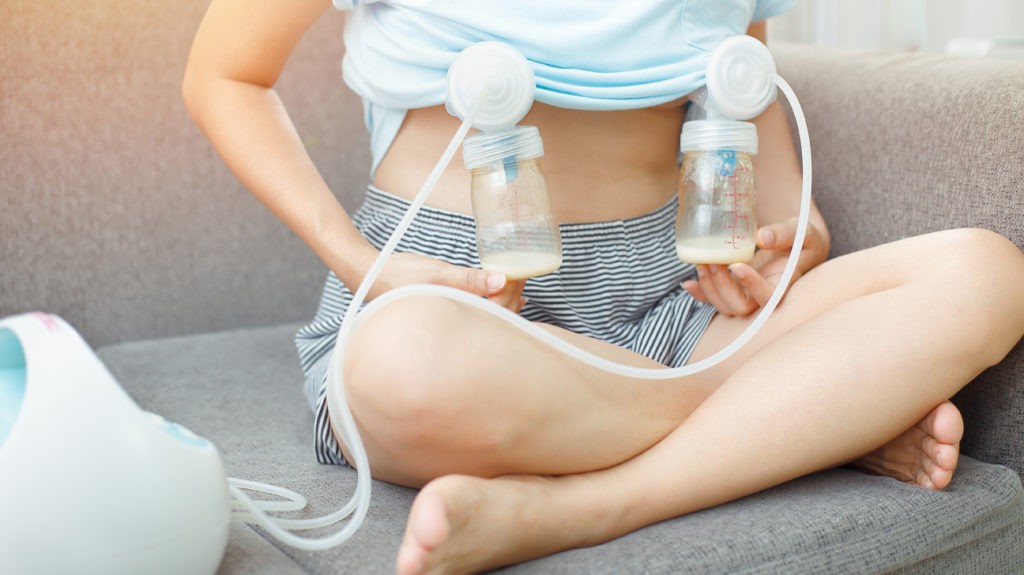
There are different ways to pump or express breast milk. As its name implies, hand expression requires the use of hands to squeeze and press the breast to get milk. As such, this requires you to have clean hands to avoid contaminating the milk expressed.
In contrast, those using devices such as a manual breast pump or an electric breast pump should ensure that their respective devices are also clean and sanitized as well. Although these provide faster and more efficient pumping and expressing methods, these also make your breasts susceptible to germs and infections if they are not properly cleaned, dried, and sanitized.
Learning How to Store Breast Milk Correctly in the Refrigerator
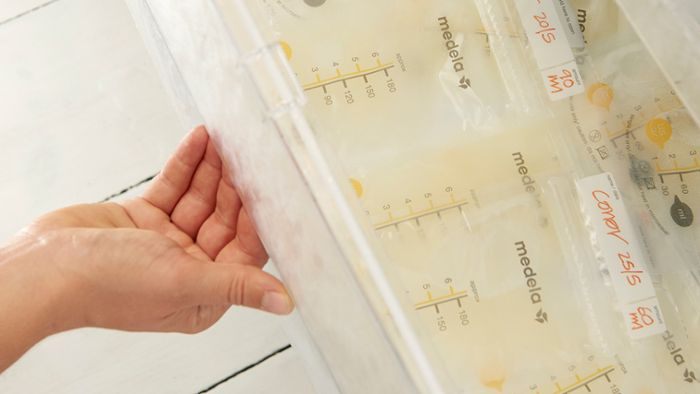
After expressing breast milk, immediately store your milk in dedicated milk storage bags or bottles. Be sure to label these storage containers with the date and time you have pumped, as well as the amount of milk you have produced.
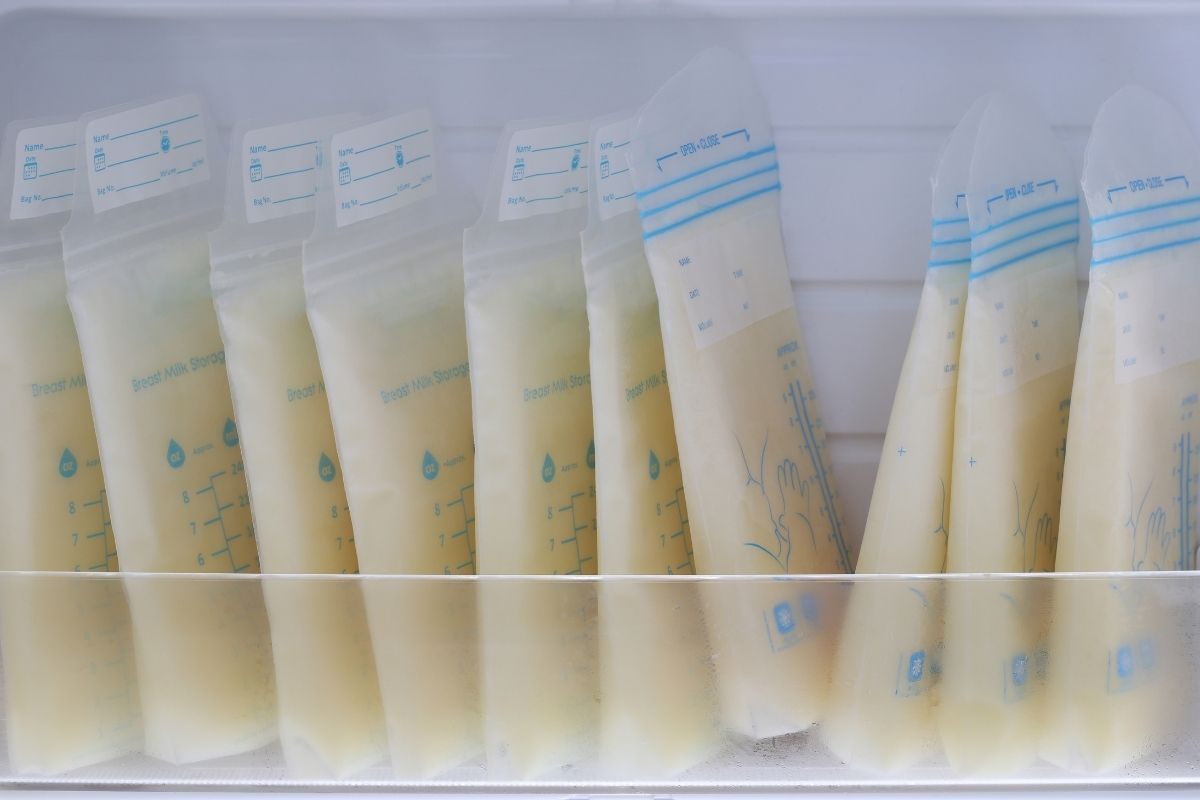
Breast milk that has just been freshly expressed can be kept in the refrigerator for up to four days, as reported by the Centers for Disease Control and Prevention (CDC). Although it can be kept in the fridge for up to eight days, consuming it by day four is best to prevent spoilage and bacteria buildup.
In order for it to remain at an optimum level of consumption, the refrigerator must be at least at 40 degrees Fahrenheit or 4 degrees Celsius. It should never go below 32 to 39 degrees Fahrenheit. Try to keep it at the back of your refrigerator, just on the shelf above the fruit and vegetable compartment as this is the coldest part of the fridge.
What to Know About Storing Breast Milk in the Freezer
Freezing your breast milk takes on quite a similar route to placing it in the refrigerator. After expressing milk, placing these directly in milk storage bags work best. Choosing this option will give you enough freezer space to store more milk. It’s best to freeze the milk in smaller amounts that correspond to your baby’s feedings so that you won’t have to waste breast milk when it’s time to thaw these out.
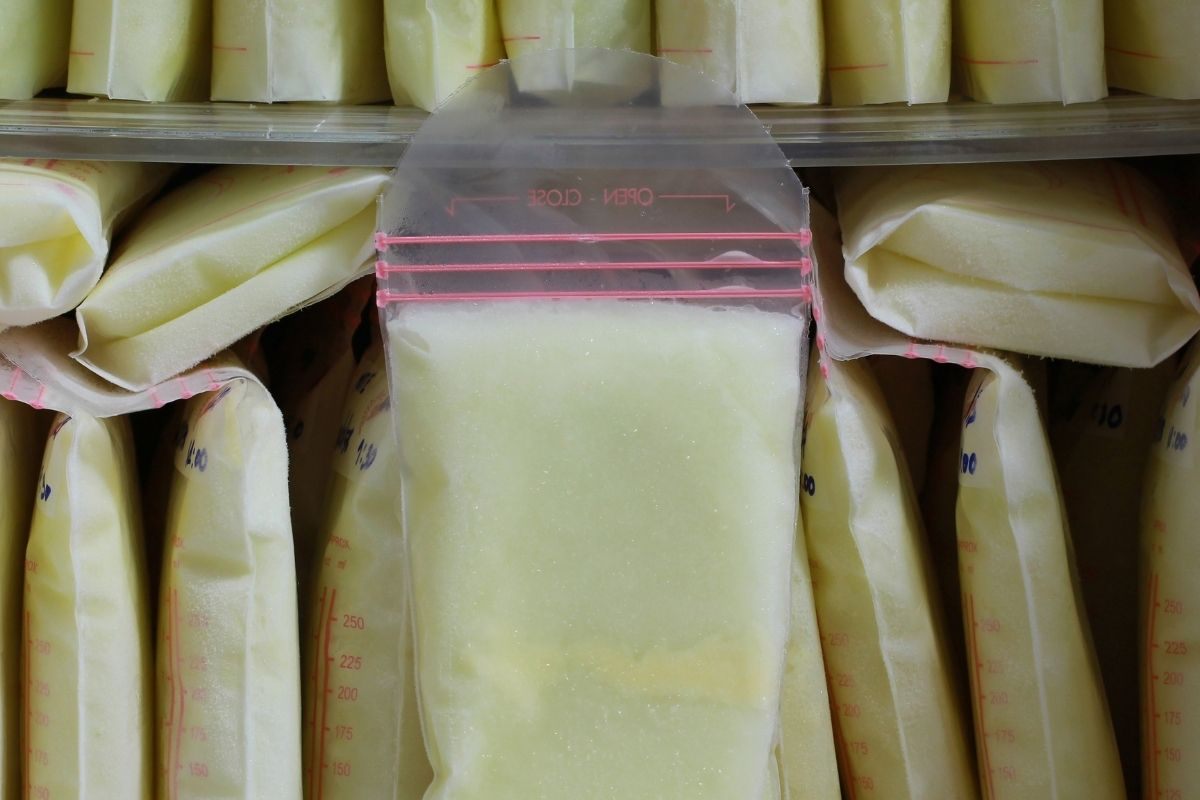
Anywhere from two to four ounces, or around 60 milliliters, should be a good portion size. Also, be sure to leave an inch or so of space in the container as milk tends to expand as it freezes. Avoid storing breast milk in the freezer doors or at the front from the freezer, as well as away from the walls from self-defrosting freezers. Keeping it in the back ensures consistent and even temperatures even when the freezer door is opened.
The optimal freezing temperature should be 0 degrees Fahrenheit or at least -18 degrees Celsius. Freshly expressed breast milk that is immediately frozen can be kept anywhere from six to 12 months in the freezer. However, consuming it by the sixth month is best.
How to Correctly Defrost and Thaw Breast Milk
There are proper ways to defrost or thaw breast milk to keep it safe for consumption. One way to go about this is to thaw a pack of frozen breast milk by placing it in the refrigerator for a few hours to completely thaw it.
You can also defrost it by keeping the frozen bag of breast milk under warm running water. It is important that the milk is consumed right away or at least in the next 12 to 24 hours.
Breast milk can only be kept at room temperature for a maximum of two hours.
Don't Make These Thawing Mistakes
Although microwaving the frozen breast milk or putting it in boiling water can hasten the thawing and defrosting process, this can also damage the nutritional content and enzymes in breast milk and can even overheat it. You still want your baby to get all the nutrition and benefits that they can, so steer clear of this method.
A good rule of thumb to observe when it comes to thawing frozen breast milk is to refrain from freezing it again. Besides increasing the risk of bacterial growth and thereby making it unfit for your baby’s consumption, you run the added risk of further breaking down the nutrients in it.
Tips for Using and Storing Expressed Breast Milk
Should you wish to add expressed breast milk in the same container, you can only do so provided the expressed breast milk has already been cooled as well. While you may be tempted to add freshly expressed breast milk or even body or room temperature breast milk to your refrigerated stash, doing so can contaminate and even thaw the cooled or frozen breast milk.
Another handy tip that will help you when it comes to storing breast milk is to use your older stash first or go by the first in, first out rule. This way, you can clear out your stash without having to spoil your liquid gold.
Check on the dates provided on the milk storage container to see what needs to be consumed. Better yet, create a system where you can easily reach for the oldest milk stash when needed.
Final Thoughts
Being a breastfeeding mom definitely comes with its own set of challenges, including having enough stash of much-needed breast milk.
By learning the different ways how to store breast milk correctly, you can ensure that your baby is well-fed and equipped with all the food and nutrients they need.
References
Centers for Disease Control and Prevention
References
Centers for Disease Control and Prevention - Breastfeeding Recommendations and Guidance | Breastfeeding | CDC
Centers for Disease Control and Prevention - Breastfeeding Recommendations and Guidance | Breastfeeding | CDC