During the better part of their lives, especially during their younger years, many women actively avoid getting pregnant. Because of this, many women who are trying to conceive are surprised when they can’t get pregnant right away and it’s not as easy as it seems.
There are varying circumstances that influence one’s chances of conception. From your menstrual cycle to underlying medical conditions, these factors come into play when you are trying to get pregnant. If you have been trying to get pregnant for quite some time now but remain unsuccessful in your endeavors, learn what could be preventing pregnancy below.

1. Old Age and Infertility
One of the main causes of failing to conceive even after trying for a year or so is infertility. This is a particular medical condition that entails not being able to get pregnant after one year of trying. This can also apply to women aged 35 or older who remain unsuccessful after trying to conceive for six months.

Infertility is a common problem among women. As a matter of fact, in the United States alone, 10% of women aged between 15 to 44 have a challenging time conceiving or staying pregnant, as reported by the Centers for Disease Control and Prevention (CDC). Women after the age of 35 are not the only ones who may have a harder time trying to conceive.
This is where the biological clock comes in. Most times, this is caused by problems with ovulation, as well as the quality and quantity of eggs produced by a woman. Some common ovulation problems include polycystic ovarian syndrome (PCOS) as this causes hormonal imbalance, while age, abnormal menstruation, diabetes, and weight problems, are also factored in the risk factors for infertility.
2. Not Ovulating
In order to get pregnant, you must be ovulating. This is crucial to conception as this signals the body that it is ready to reproduce and that there are eggs to be fertilized. However, not all women ovulate and have their periods normally. Those who do not release an egg and ovulate may have symptoms of anovulation, one of the main causes of infertility in women.
Some of the contributing factors to anovulation include PCOS. Apart from this, being overweight or underweight, overexercising, having a thyroid dysfunction, having eating disorders, smoking, drinking, and the like may also affect ovulation.
It’s also imperative to point out that while having a regular menstrual cycle is good, this does not necessarily mean that your monthly ovulation is occurring. Talking to a medical professional is your best bet if you think you might be experiencing irregular ovulation.
3. Underlying Medical Conditions
Certain underlying medical conditions can also cause infertility. Both men and women are susceptible to this. Individuals who have undiagnosed diabetes or have a thyroid imbalance may struggle with infertility. Thyroid disorders, in particular, can affect a woman’s period and can make it lighter or heavier than usual.

In addition to these, some sexually transmitted diseases and autoimmune conditions like lupus may also increase the likelihood of individuals failing to get pregnant. There are also studies that show that having depression is linked with infertility. Though the associations between the two remain unclear, theories say depression affects the hormones in the body.
Besides underlying medical conditions, medications prescribed to address or treat particular conditions may also be a reason why you can’t get pregnant. Some of these include taking anabolic steroids, medications for high blood pressure and depression, as well as medicine for treating bacterial infections.
4. Endometriosis
Endometriosis is a medical condition in which the endometrial tissue, otherwise known as the womb lining, grows outside the uterus. When this happens, this can affect not only the uterus and the fallopian tubes, but the overall function and performance of the ovaries.

Endometriosis causes women to have heavy and painful periods. More than this, the condition causes cysts and scar tissue or adhesions to form in the pelvic area. In turn, this affects a woman’s lifestyle and quality of living, making them experience extreme and chronic pain, intense cramping, back pain, and abnormal and even excessive bleeding.
Approximately one in 10 women have this condition and around 50% of those diagnosed have difficulties conceiving a baby. Endometriosis can affect your fertility as this makes it harder for the blood to leave the body due to the tissues growing outside where it normally should, causing blockages in your fallopian tubes.
5. Fallopian Tubes Are Blocked
Your fallopian tubes are essential parts in helping you get pregnant. These serve as pathways between the uterus and the ovaries. This helps the sperm and egg meet, but if these pathways are blocked, you won’t have the chance to get pregnant.

When your fallopian tubes are blocked, this means that the sperm cannot get to the egg. On top of having endometriosis, a fallopian tube obstruction increases when you have had a history of pelvic infection, sexually transmitted diseases, or uterine structural problems.
Thankfully, blocked fallopian tubes can be treated. These can be seen and addressed through fertility testing, the use of specialized x-rays to gauge the condition of your fallopian tubes, and surgical treatment. If only one fallopian tube is blocked, fertility drugs can aid your chances of ovulating and having the egg travel through the unaffected tube.
6. Irregular Uterine Shape
Having an irregular-shaped uterus also makes it harder for fertilized eggs to be implanted or to stay in place within the uterine wall. Moreover, an abnormal uterus shape also makes the uterus to be smaller than normal. An irregular uterine shape can be caused by different things.

These include forming uterine fibroids, otherwise known as noncancerous growths on the uterine wall that may block the fallopian tubes, as well as the formation of scar tissues from surgery or infection. At times, this can simply be how your uterus is shaped.
These abnormal uterus shapes can occur in four main types and can only be determined when your uterine shape is already examined by a doctor. To treat this, surgery is the only way to go. Conducting these surgeries can help boost your chances of becoming pregnant or even carrying your pregnancy through a term.
7. Male Factor
Sometimes, women are not the ones to be blamed when they cannot get pregnant. At times, infertility can also affect males. In fact, Hopkins Medicine discovered that around 30% of infertility cases were related to men. Because of this, it is vital that both men and women get check-ups.

Male-related problems that affect infertility stem from varying factors. Most of the time, male infertility has been associated with having a low sperm count or sperm counts that are quite different or abnormal in movement or shape. To determine what is causing infertility a semen analysis should be done to determine the health of the semen and the sperm.
Aside from having a low sperm count and the like, there are medical conditions that could also affect a man’s infertility. These include having trauma to the body, leading an unhealthy lifestyle by smoking, drinking, or even failing to exercise regularly, and having diabetes.
8. Timing and Number of Tries
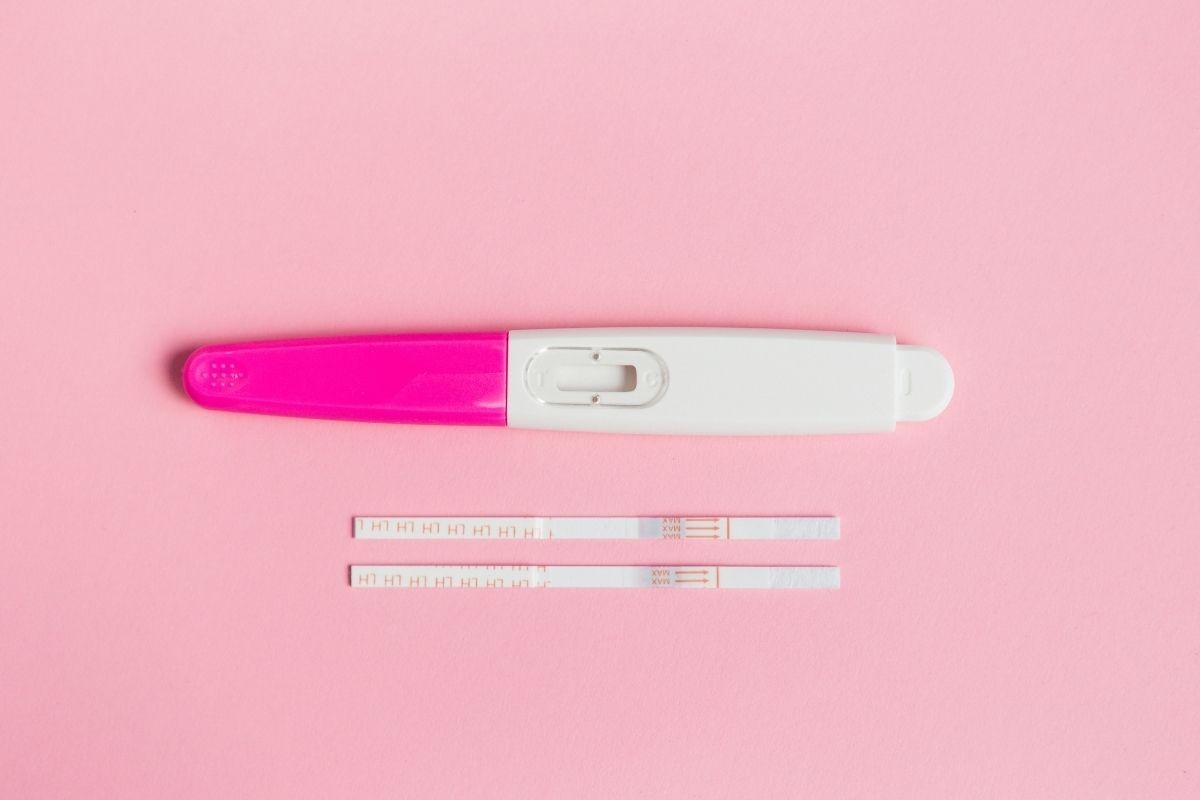
There are many couples who are not usually aware of the ovulation time of the woman, and as such, fail to take advantage of the highest time to get pregnant. This can be particularly tricky to track, especially when a woman’s cycle is quite irregular or as older women get closer to menopause. Timing can easily be remedied by using a calendar or even an ovulation predictor kit.

These allow couples to track the most fertile period of time during a woman’s cycle, and increase their chances of conceiving and getting pregnant. To be successful, the timing of a sperm fertilizing the egg should happen after ovulation. This window happens around 14 days before a women’s cycle comes to an end.
A good rule of thumb would be to start having regular intercourse five days before and a day after ovulation to increase your chances of conceiving. It’s also worth mentioning that the number of tries is equally important as well.
Final Thoughts
As you can see from the list above, there certainly are various factors that come into play when you’re wondering why you can’t get pregnant. By learning what these factors are, you now have a more thorough understanding of what could possibly be affecting your situation.
If you are experiencing difficulties in conceiving a baby, asking for help and getting the right treatment from a medical professional can help get you started. It is also important to know that infertility is a lot more common than you might think, so you are not alone on this journey.