Bringing a newborn baby home may be one of the most exciting moments in a mother’s life. However, it’s also one that needs careful planning to make sure that you have everything you need.
At this stage, you’re expected to already have the basics, like baby clothes, diapers, infant formula, and feeding bottles. This article will list 10 essential items that every mother should have at home for their newborn.
1. Diaper Bag
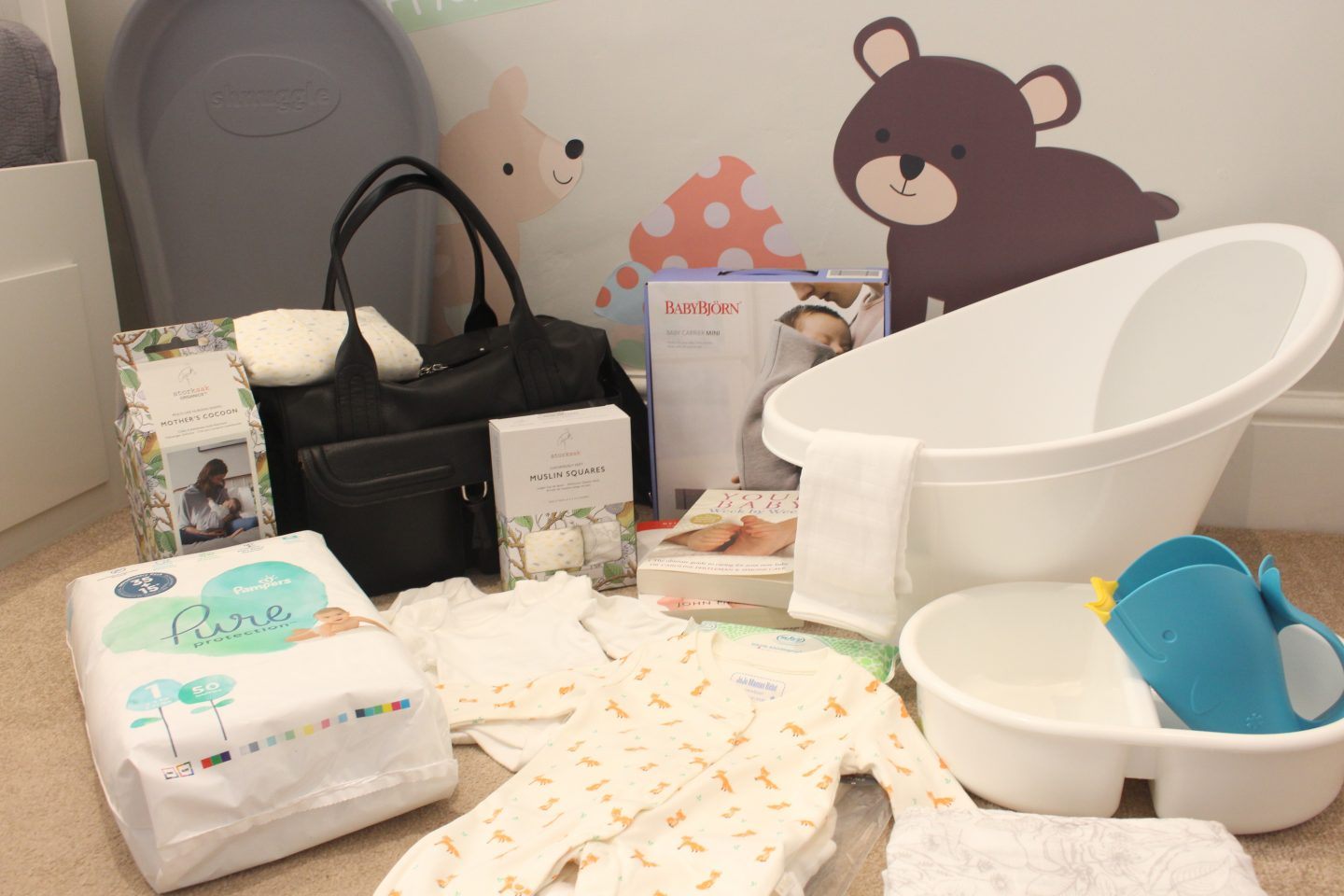
You may consider the diaper bag your best friend and constant companion. It’s one of the most used items on this list and it brings organization to the plethora of stuff that you use for your baby.
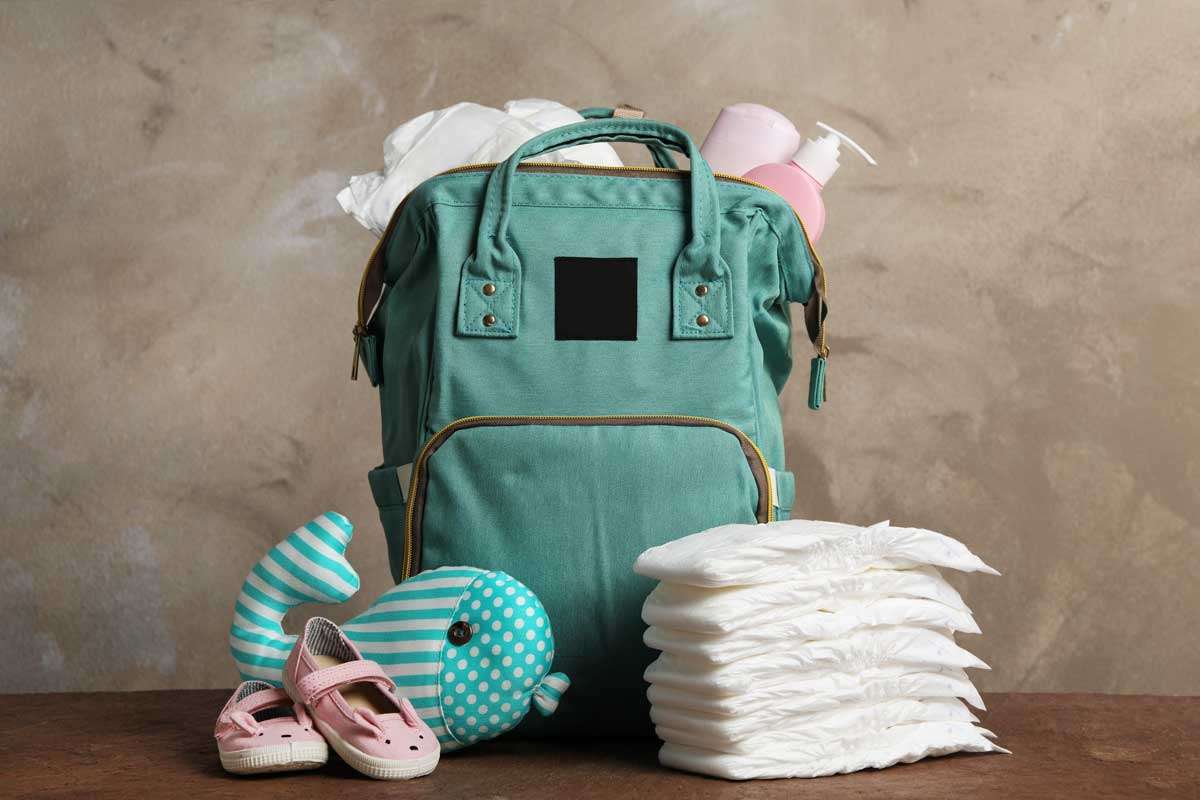
Whether you’re at home or going out, the handy dandy diaper bag should be within arm’s reach.
Some of the stuff that you usually place inside a diaper bag aside from diapers includes feeding bottles, bibs, a first-aid kit, and baby wipes.
Choosing the Right Diaper Bag for You
It’s important to choose the right kind of diaper bag for you, particularly when it comes the style of bag you need. You may choose from backpacks, messenger bags, tote bags, or a belt bag, depending on how you will use it.
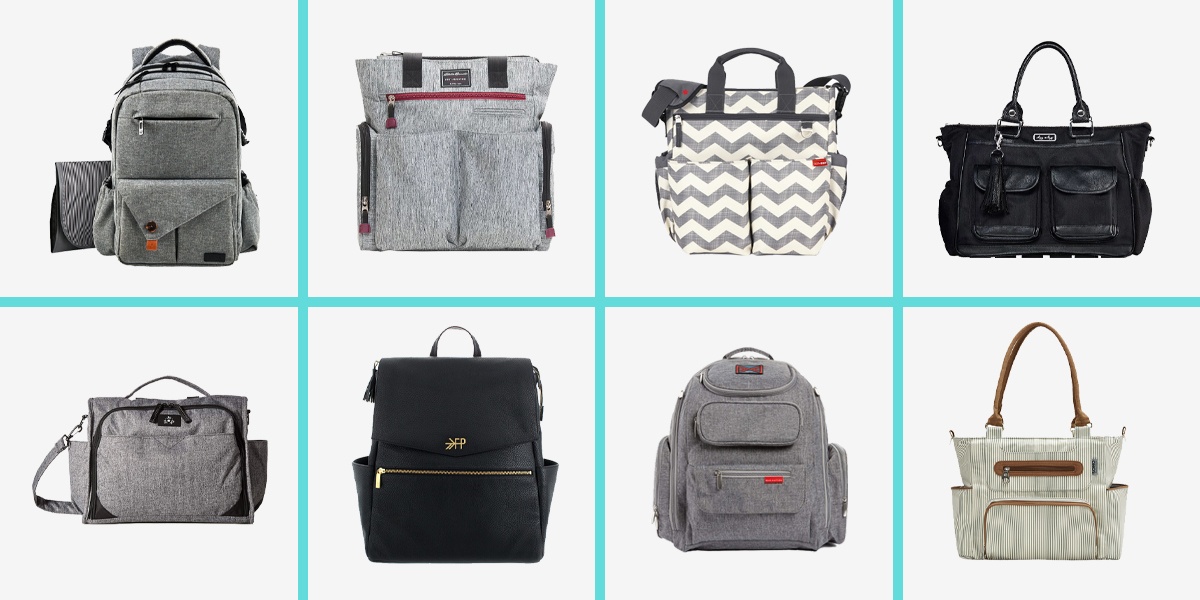
If you’re the type who will go out with your baby on a stroller, a backpack-style diaper bag will suit you. Meanwhile, a diaper bag with insulated pockets is great for moms who bottle-feed their babies.
2. Baby Carrier
Also known as a soft carrier or baby sling, a baby carrier is something you wear so you can free your hands while keeping your infant close to your body.
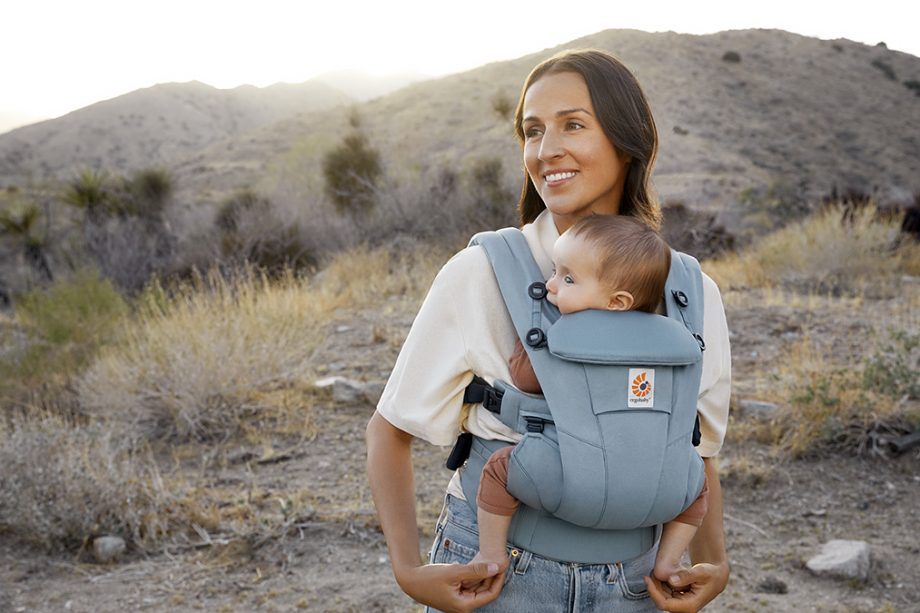
This can be very useful when you don’t have other people around and you need to do something else.
Baby carriers come in all shapes and sizes, like slings, wraps, front-to-back convertible, soft, and woven. Choosing the right one depends on the age and size of the baby, your body type, budget, and design preferences.
Safety and Benefits of Using a Baby Carrier
A study published on PubMed discovered several benefits of babywearing using a carrier. These include reduction of crying, promotion of health through skin-to-skin contact, and assistance with breastfeeding.

When using a carrier, you should place the baby upright and tight enough to avoid accidental falls. Infants should be in view at all times to monitor their breathing and should be close enough so that you can kiss their head.
Keep the baby’s chin off its chest and make sure the infant’s back is supported.
3. Nursing Pillow
Nursing or feeding pillows are pillows that are designed to support babies and keep them in the optimal position while you are nursing or bottle-feeding them.
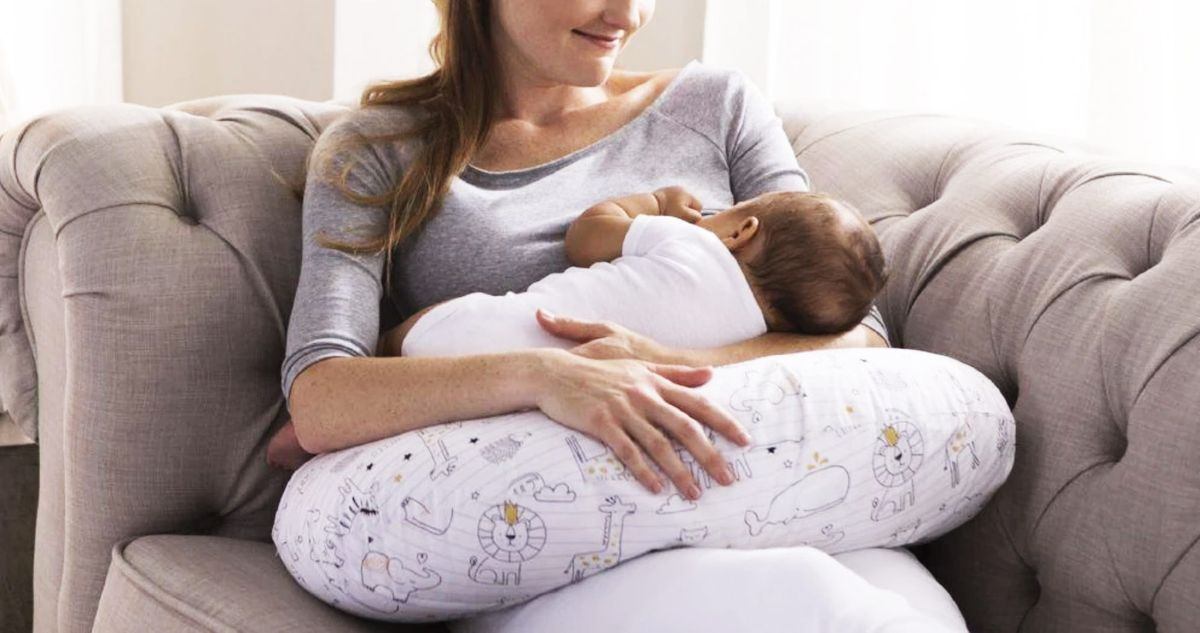
Compared with regular pillows, nursing pillows are considered more convenient and are able to maintain the baby’s position better.
When shopping for a nursing pillow, you must look for something that’s firm but not too firm and it should be made from non-toxic, hypoallergenic materials. The cover should be machine-washable too for easier cleaning.
How a Nursing Pillow Helps
Because you will feed your baby frequently in the first few months and sessions cAN take as long as an hour, you may experience back, neck, and shoulder pain.
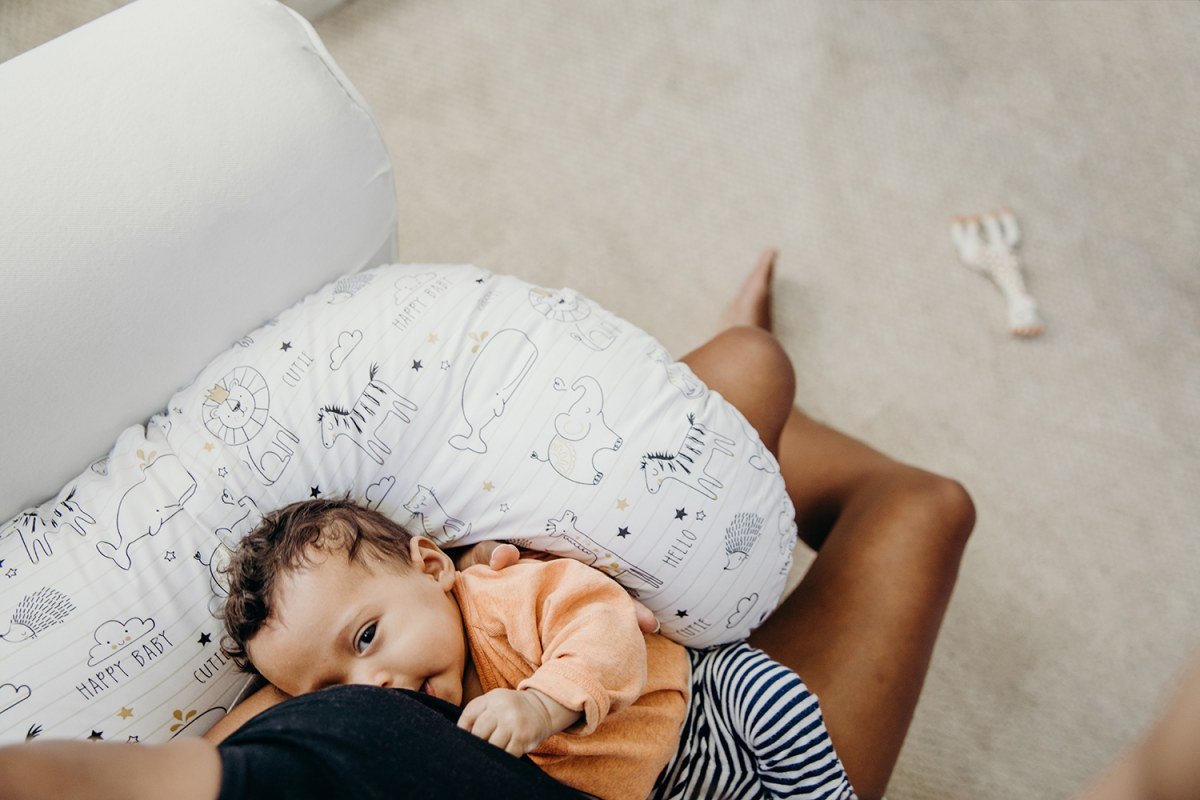
Using a nursing pillow allows you to avoid these pains. Moms who underwent C-sections will find that having a nursing pillow between their abdomen and the baby makes a big difference.
Since the pillow brings the baby to the right height, it also encourages latching.
4. Swaddler
One of the most challenging things that mothers face is getting their newborn to fall asleep. As such several tools have been developed to help with this endeavor. One of these is the swaddler.
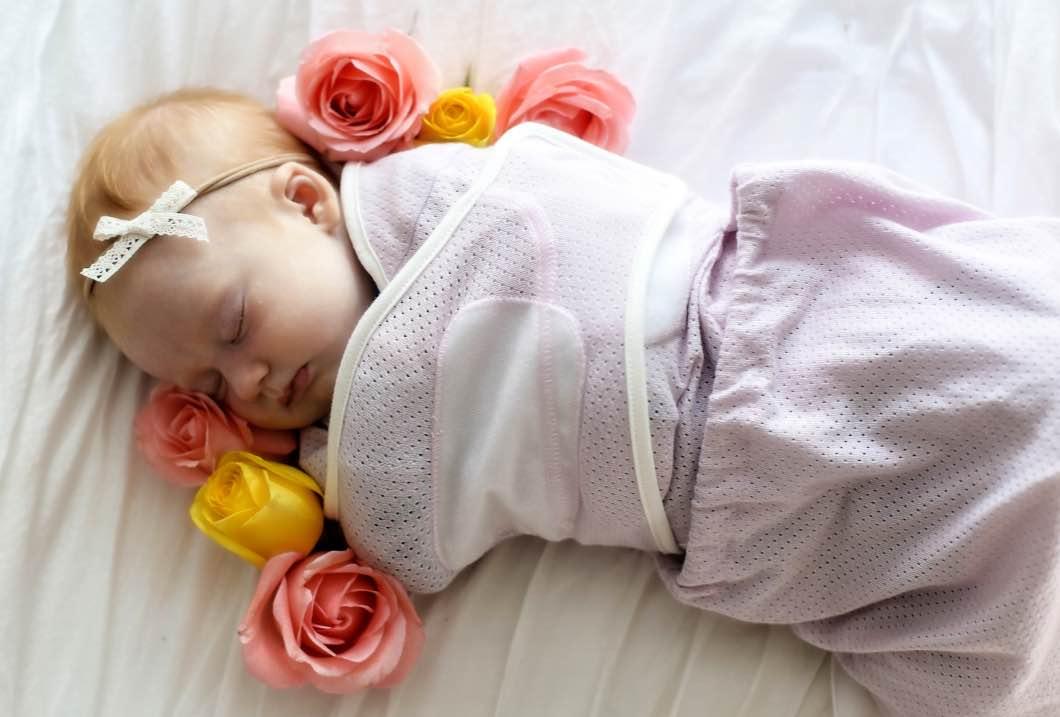
Swaddlers are blankets or similar cloths used to wrap infants up in a gentle, breathable manner that restricts the movement of their limbs. Swaddling is used to make babies feel calm and to promote sleep.
Only the body is wrapped when swaddling. The idea behind this method is to make babies feel snug and secure just like when they were still in their mothers’ wombs.
Swaddling a Newborn Safely
Swaddling an infant is generally safe as long as it’s done properly. As soon as the baby demonstrates any sign of trying to roll over, swaddling should be stopped immediately.
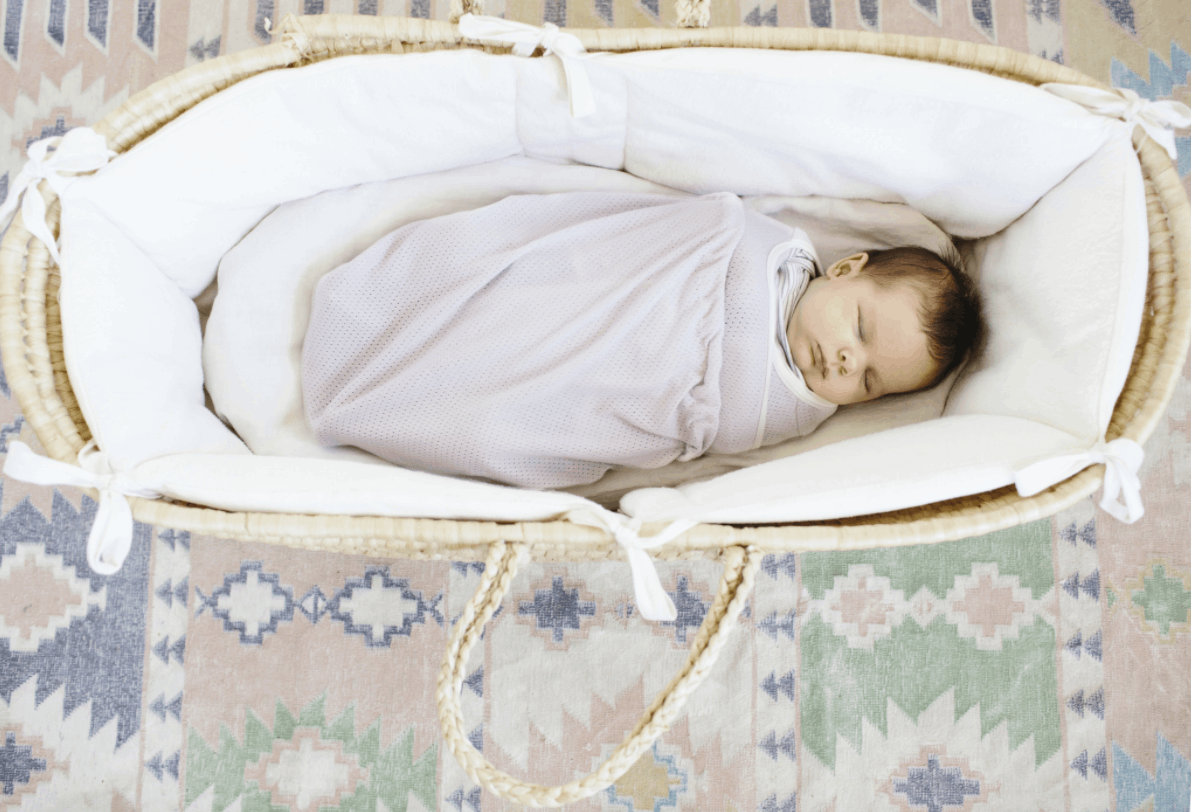
Swaddlers should be made of thin, breathable materials, like cotton receiving blankets or cotton muslin wraps. Wrapping the baby should be in a firm but gentle manner to avoid the risk of hip dysplasia.
Swaddled babies should always be placed on their backs and their temperature should be checked regularly to ensure that they don’t get too hot.
5. Burp Cloth
Another essential item that you should prepare for a newborn are burp cloths. These are used to clean up infants whenever they spit up, particularly when burping after meals.

The burp cloths that you should buy must be made from soft materials like cotton to avoid damaging the baby’s tender and sensitive skin. However, it should also be absorbent enough to absorb all the spit.
Make sure that the prints on the cloth are also waterproof. In addition, the texture should be smooth to avoid spit getting stuck in between.
Using a Burp Cloth
Before lifting your baby up for burping, place the burp cloth on your shoulder and spread it out to ensure that it absorbs all the spit.
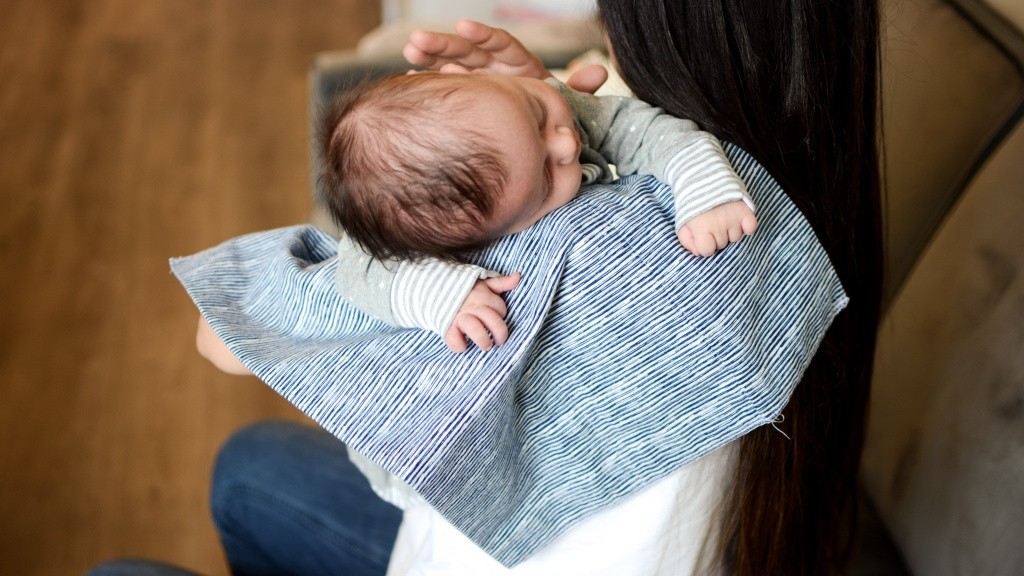
Position it in such a way that your shoulder is completely covered horizontally and that it runs from front to back.
Burp cloths can be used for around six to nine months or until the baby learns to sit or move around on its own so burping is no longer required.
6. Co-Sleeping Cribs
A co-sleeping crib or co-sleeper refers to a small bed or crib for a baby designed in a way that it can be attached to the parents’ bed.

This is a convenient tool because most newborns sleep somewhere near their moms. These co-sleepers enable you to feed the baby and then transfer them back to his or her own sleeping space afterward.
This reduces the risk of Sudden Infant Death Syndrome (SIDS) within the first six months since it gives babies their own sleep space while still keeping them close to their mothers.
Things to Consider When Buying a Co-Sleeping Crib
The first thing to do is to be sure that your bed is compatible with co-sleeping cribs. Some bed frames make it more difficult to attach them and may need adjustments and straps just to make it work.
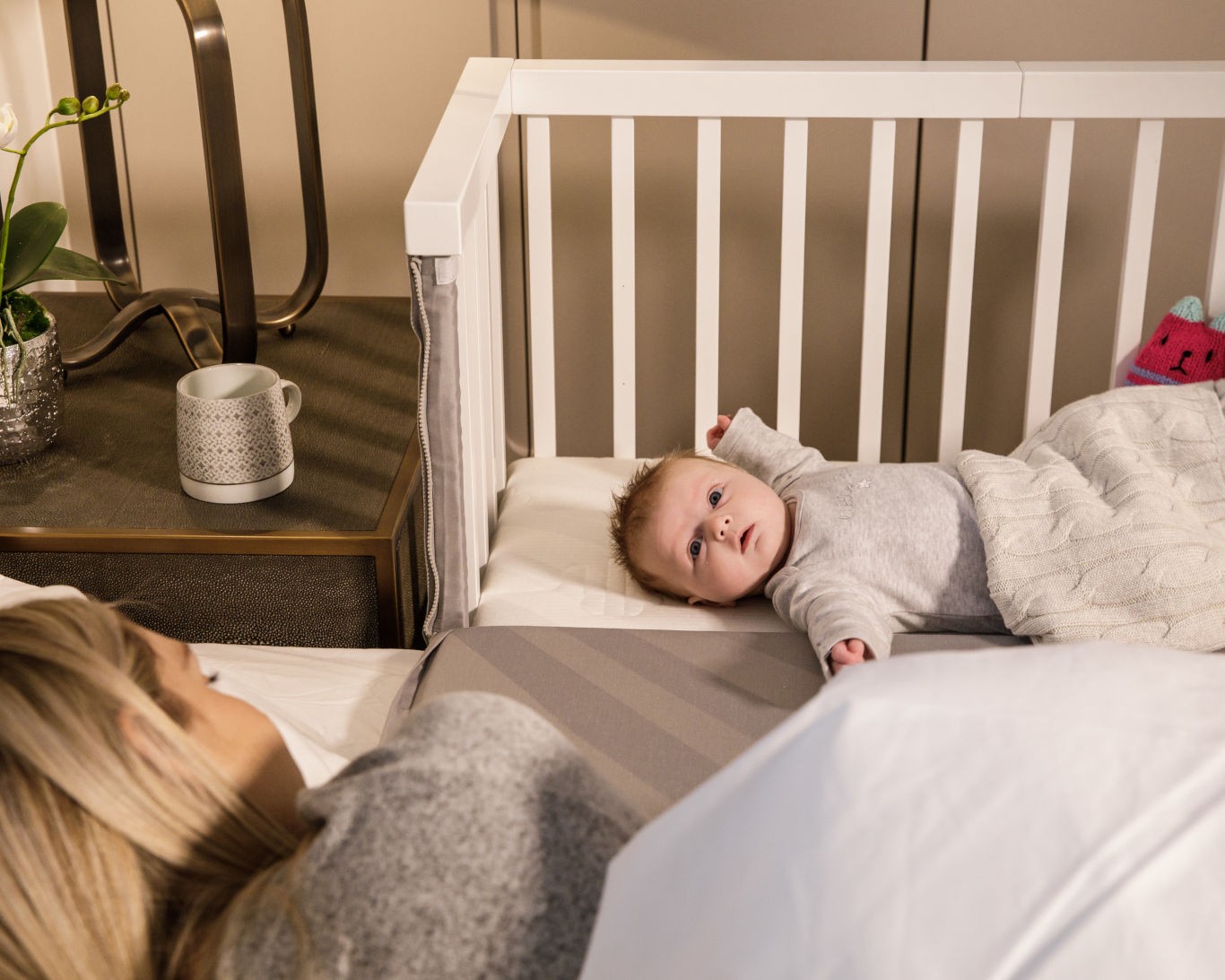
Purchase a co-sleeper with a mattress that’s firm, flat, and breathable. You may also want to consider its portability if you plan to take it with you when you need to travel with the baby.
7. Digital Thermometer
Once upon a time, glass mercury thermometers could be found in every household. However, their use has long been discouraged because of the danger of breaking and inhaling vaporized mercury.
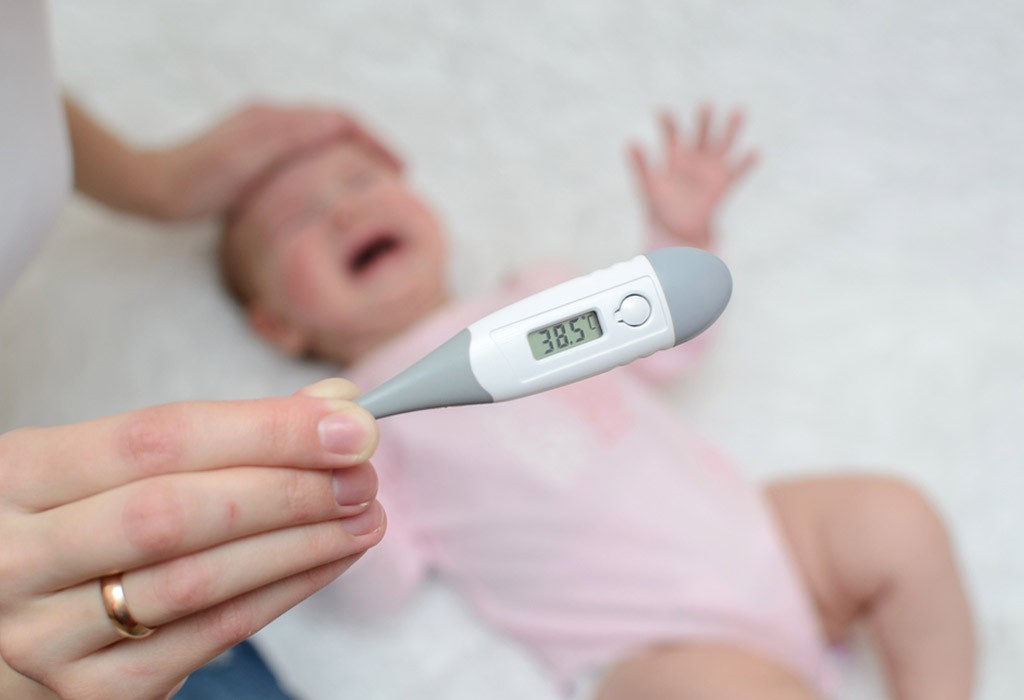
People have now moved on to digital thermometers and having one at home is a must. Instead of mercury, these thermometers use electronic heat sensors to measure body temperature.
They may either be inserted into the rectum, the mouth, or squeezed in the armpit. Armpit or axillary temperature is usually the least accurate of the three methods while rectal is recommended for newborn babies.
Things to Remember When Using Digital Thermometers
Carefully read the instruction manual when using a digital thermometer for the first time to avoid errors. Remember to clean the tip before and after using the thermometer.
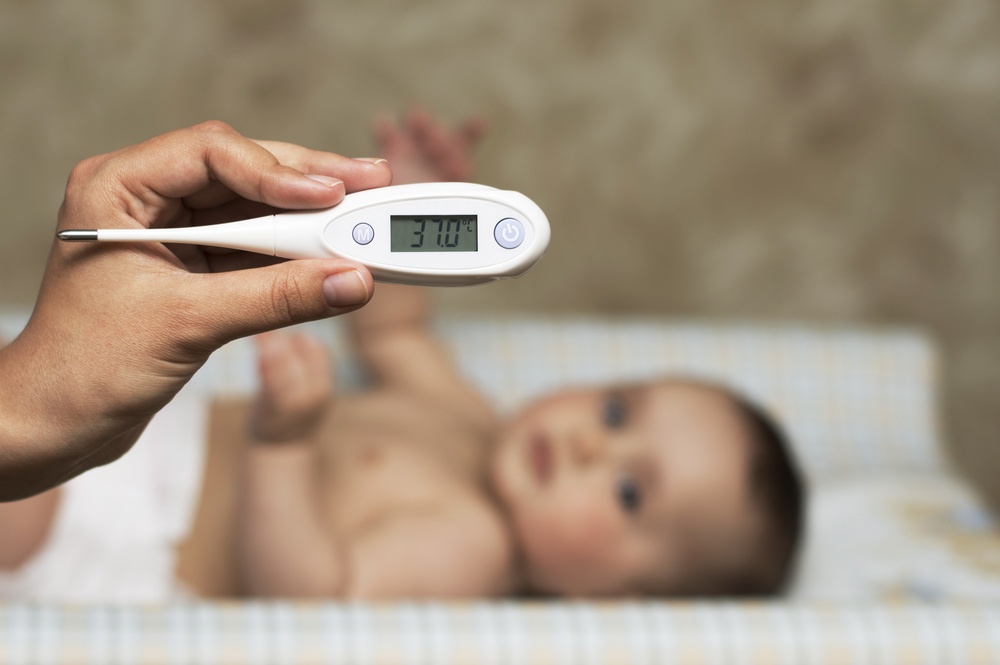
Use separate thermometers for getting rectal temperatures and oral temperatures. Never use them interchangeably and be sure to label them to avoid mix-ups.
8. Breast Pump
If you plan on breastfeeding your newborn, one thing that you should have at home is a breast pump. Using a breast pump enables moms to still provide their own milk to the baby even if they need to be away for a while.
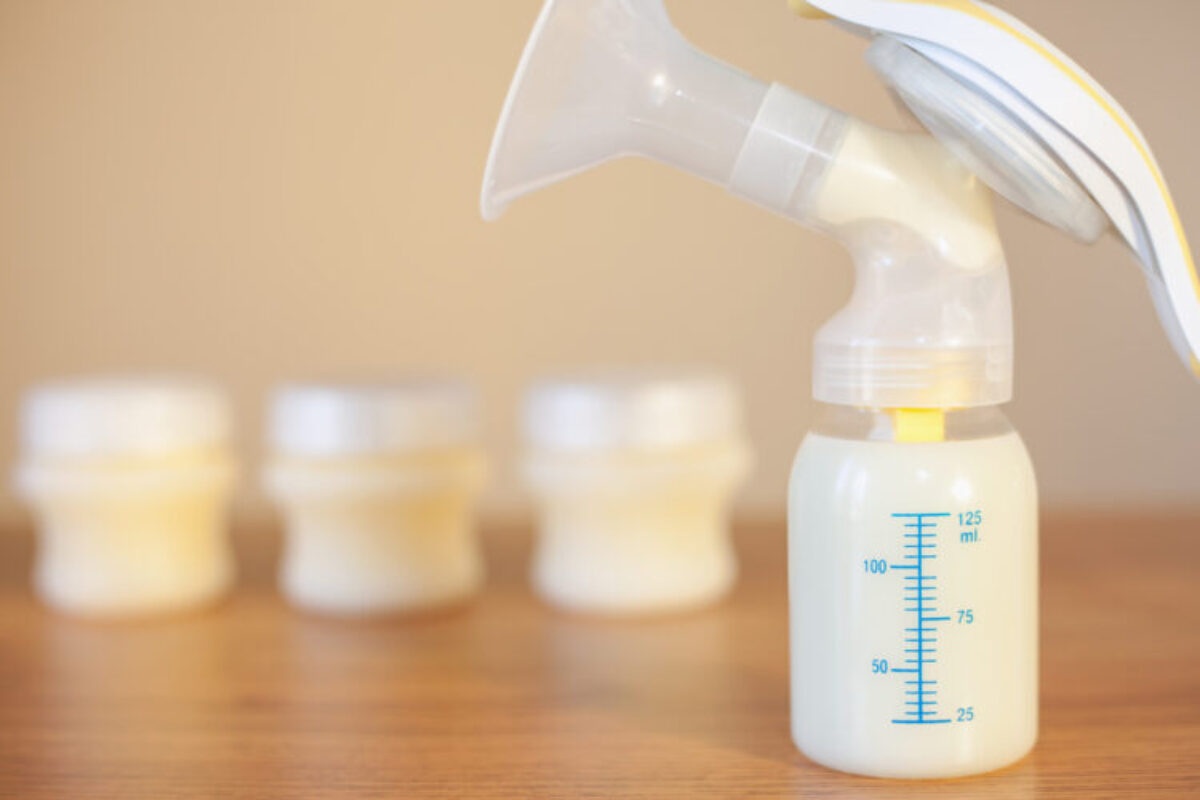
It’s great to use if you need to run errands, exercise, or spend some quality time with your husband. The amount of milk and ease of use will depend on the type of breast pump you’ll use.
Not only can pumping help keep your milk supply intact, but it also prevents discomfort and breast engorgement.
Manual or Electric Breast Pump?
Manual pumps are best for moms whose milk supply is great and who are mostly staying at home with the baby.
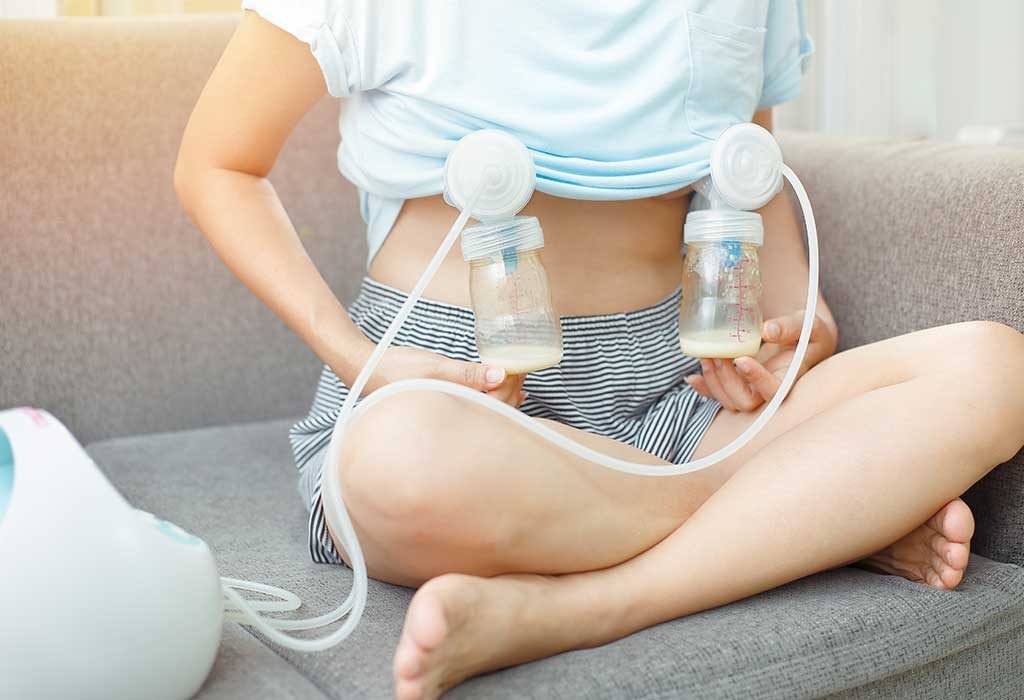
Electric pumps are recommended for mothers with a low milk supply and those who need to be away from the baby for most of the day.
In terms of cost, a manual pump is cheaper but there’s an option to rent an electric pump.
9. Nail Clippers
Believe it or not, babies grow their nails at an incredibly fast rate and if not trimmed, they can potentially scratch you, their face, or their bodies.
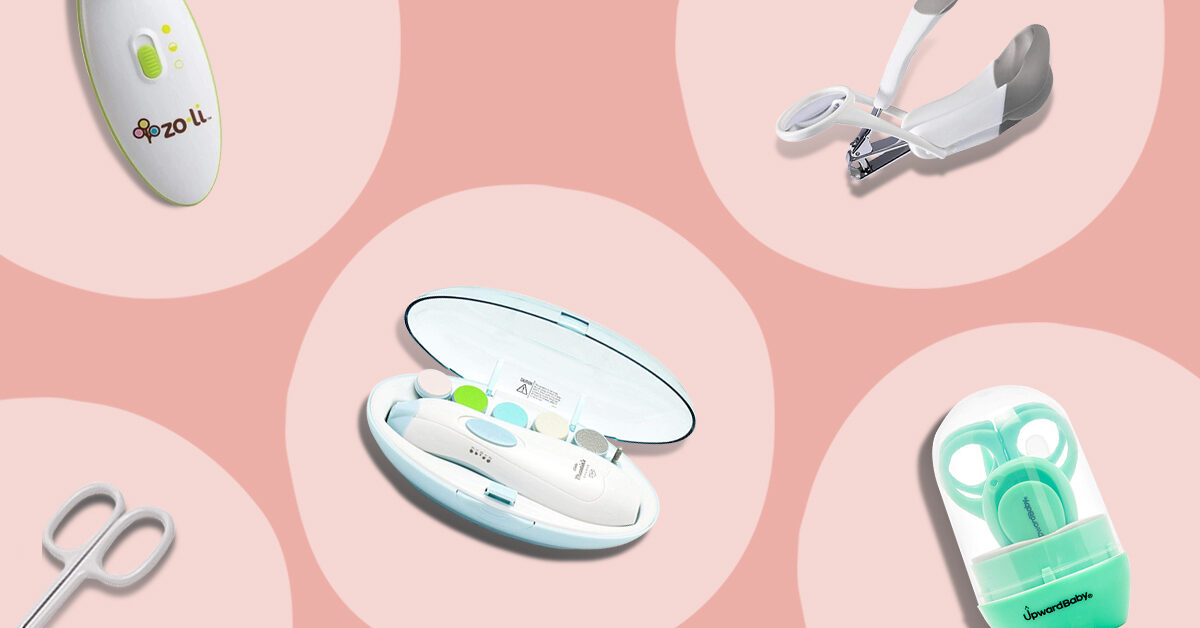
This is why regular trimming of the fingernails and toenails is advised to keep them short and round. Trimming can be done as early as the third or fourth day after delivery.
Only use special baby nail clippers or nail scissors and avoid using adult clippers.
Cutting Your Baby’s Nails
Cutting your newborn’s nails is best done when they are very calm, drowsy, or asleep. Do this in an area with sufficient lighting and seek assistance in holding the baby while you cut the nails.
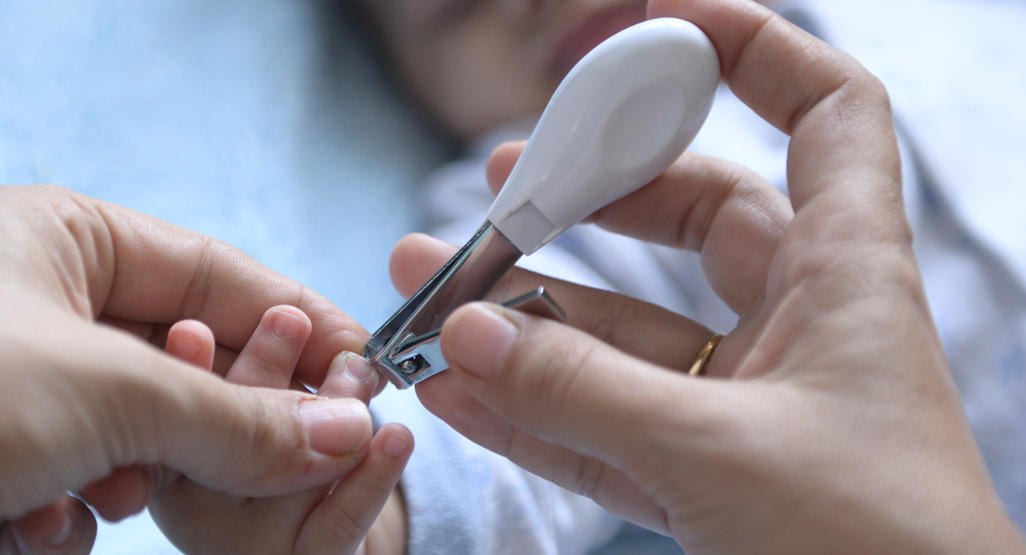
To avoid cutting the skin, pull the finger pad gently away from the nail. Trimming toenails straight across will prevent ingrown nails.
10. Stroller
Strollers may be one of the most used baby items you’ll ever buy so it definitely makes this list. It basically makes life easier for moms like you.
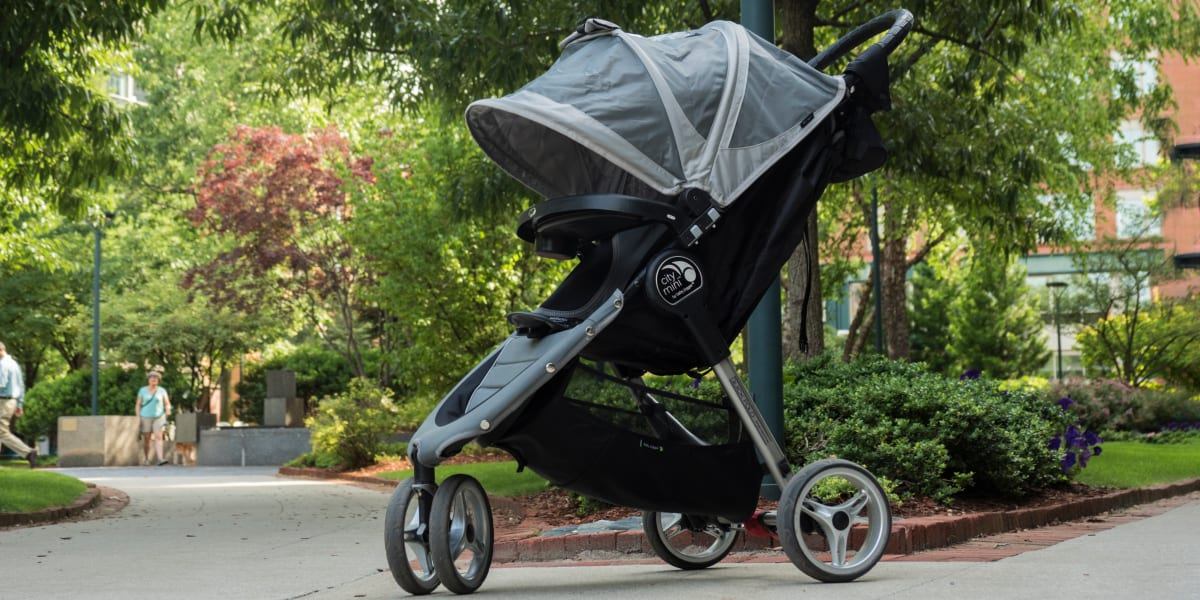
If there’s no one around to watch the baby for you when you need to run an errand or talk to someone on the other side of the block, take out the stroller and bring the baby with you.
This is even more useful when going on family vacations or anywhere else that may involve long walks with the baby in tow.
Getting the Right Stroller
Among the things you need to consider when getting a stroller are its cost, your lifestyle, and family size. Prices may vary depending on the features, materials used, and design.
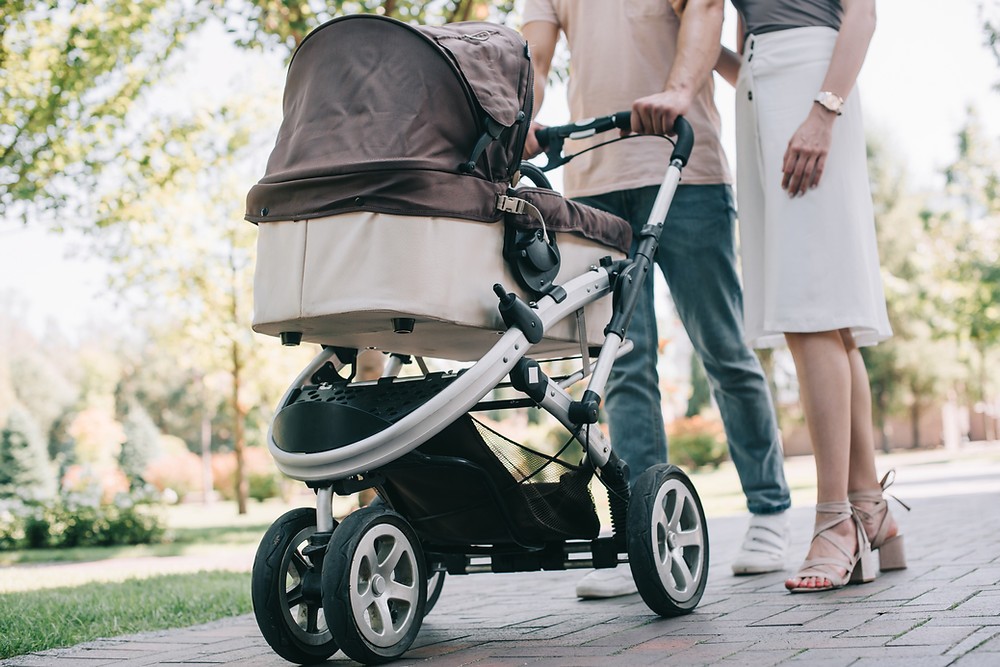
Families living in the city will use the stroller more than those in the suburbs. Some couples may want to have another child again soon so convertible strollers are perfect for them.
Conclusion
Newborn babies need a lot of attention and care so the amount of baby gear you need is unsurprisingly high. Just make sure to choose the right items for your needs.